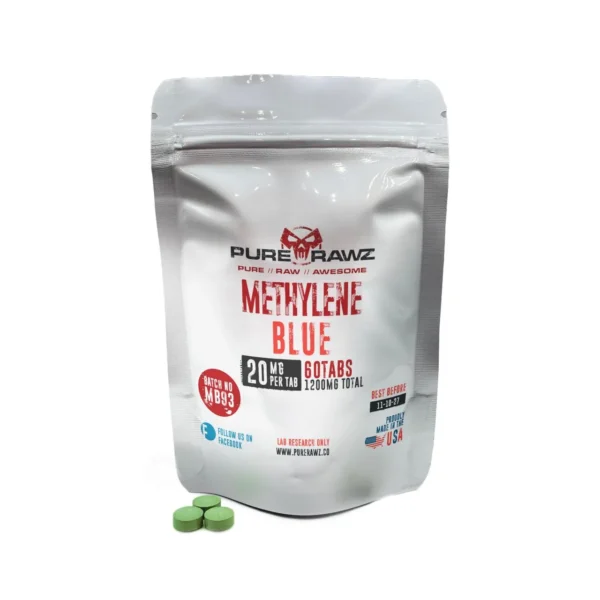
Methylene Blue Brain Fog

Can a Victorian-era dye compound actually fix modern cognitive fatigue? The mitochondrial science is compelling, but the clinical evidence tells a more nuanced story for UK readers dealing with Long COVID, chronic exhaustion, and age-related mental sluggishness.

Key Takeaways

Evidence Quality Single 26-person trial showed 7% memory improvement—modest, not miraculous
Mechanism Bypasses damaged mitochondrial complexes; increases ATP 30% in models
UK Long COVID 2-4 million affected; no RCTs yet for brain fog specifically
SSRI Danger Life-threatening serotonin syndrome risk—absolute contraindication
Research Dose 260-280mg (4mg/kg) in trials vs 35-70mg common nootropic doses
UK Legal Status Prescription-only medicine; supplement claims prohibited by MHRA
G6PD Risk Absolute contraindication—causes haemolytic anaemia; testing recommended
Reality Check Plausible mechanism ≠ proven treatment; you're self-experimenting

Quick Answer

Methylene blue addresses brain fog by enhancing mitochondrial function—the actual cellular energy production that powers cognition. A single well-designed trial with 26 healthy volunteers demonstrated a 7% memory improvement, whilst animal studies show 30-70% increases in brain energy metabolism.

For UK Long COVID patients (2-4 million affected), the mitochondrial dysfunction hypothesis has substantial support, but no randomised controlled trials exist specifically for brain fog treatment. Critical safety concerns include life-threatening interactions with SSRIs/SNRIs and G6PD deficiency risks.

The gap between influencer hype and clinical proof remains vast—research doses (260-280mg) differ from typical nootropic recommendations (35-70mg), UK regulatory status classifies it as prescription-only, and anyone considering use is effectively self-experimenting with an unvalidated intervention despite compelling biochemical rationale.

The Brain's Energy Crisis and Why It Matters

Why does your brain fog up when you're tired, stressed, or recovering from illness? The human brain presents a metabolic paradox: it comprises just 2% of body weight yet consumes 20% of the body's oxygen and approximately 25% of its glucose. In children, this figure rises to 50% of whole-body oxygen consumption during peak developmental years. This extraordinary energy demand makes neurons uniquely vulnerable to mitochondrial dysfunction—when cellular power plants fail, cognition falters first. Think of it like brownouts in a city grid; the most energy-intensive districts lose power before anything else.

Brain fog

The brain's disproportionate energy demands make it uniquely vulnerable to mitochondrial dysfunction

What happens when mitochondria stop working properly? Under normal conditions, oxidative phosphorylation produces 32-36 ATP molecules per glucose molecule, fuelling everything from memory consolidation to executive function. When mitochondria become impaired through infection, stress, ageing, or toxin exposure, cells fall back on anaerobic glycolysis—producing just 2 ATP per glucose molecule, a potential 94% reduction in cellular energy output. Research published in the European Journal of Neurology systematically documented how adult mitochondrial disease manifests cognitively: processing-speed problems at the neuronal level, progressively worsening neuropsychological performance, and deficits across visuospatial functioning, memory, attention, and executive function. It's kinda like switching from mains electricity to a single AA battery.

Does this pattern hold across different conditions causing brain fog? The pattern is consistent across conditions. A 2023 National Institute on Aging study demonstrated that lower mitochondrial function in skeletal muscle increases the risk of mild cognitive impairment or dementia in older adults, establishing links between mitochondrial dysfunction and brain amyloid plaques. For Long COVID patients specifically, a 2025 prospective case-controlled study published in the Annals of Medicine found impaired mitochondrial function in peripheral blood mononuclear cells, with researchers describing ATP synthase running both forward and reverse reactions—a metabolic signature of chronic energy crisis. The mitochondrial hypothesis for cognitive fatigue isn't speculative; it's documented across multiple pathologies.

Energy Production Comparison

Metabolic State ATP per Glucose Cognitive Impact
Healthy mitochondria 32-36 ATP Normal cognition, sustained focus
Impaired mitochondria 2 ATP Brain fog, fatigue, processing delays
Energy reduction 94% loss Severe cognitive impairment

What does this mean for practical intervention strategies? If brain fog stems from an energy crisis at the cellular level, then interventions must address mitochondrial function directly rather than masking symptoms with stimulants. This is where methylene blue's mechanism becomes relevant—it targets the electron transport chain itself, potentially bypassing damaged complexes to restore ATP production. The question isn't whether mitochondrial dysfunction causes brain fog (the evidence is overwhelming), but whether methylene blue can effectively reverse it in humans experiencing cognitive fatigue.

Ready to Boost Your Brain Health?

Discover our premium selection of natural nootropics designed to enhance cognitive function and mental clarity

Quality Tested
Fast UK Delivery
100% Natural
Science-Backed

How Methylene Blue Differs from Stimulants and Other Nootropics

What makes methylene blue fundamentally different from your morning coffee or prescription stimulants? Methylene blue's mechanism sets it fundamentally apart from conventional cognitive enhancers. Rather than manipulating neurotransmitter systems, it functions as an "alternative electron carrier" within mitochondria, cycling between its oxidised blue form and reduced colourless form (leucomethylene blue) to shuttle electrons through the respiratory chain. This isn't about blocking tiredness signals or flooding dopamine receptors—it's about fixing the actual machinery that produces cellular energy.

methylene blue

Methylene blue's molecular structure enables it to accept and donate electrons within mitochondrial complexes

How does this electron transport bypass actually work? The mechanism, described by Tucker et al. in Molecular Neurobiology (2017), works as follows: MB accepts electrons from NADH via Complex I, becoming reduced to leucomethylene blue, which then donates electrons directly to cytochrome c—bypassing potentially dysfunctional Complex I and III entirely. This alternative pathway allows electron transport to continue even when primary complexes are blocked or damaged. Research by Yang et al. confirmed this bypass is "insensitive to either rotenone or antimycin A inhibition," meaning it provides a genuine alternative route rather than simply boosting an existing pathway. It's a bit like having a backup generator that kicks in when the main power grid fails.

Can we actually measure these metabolic improvements in brain tissue? The downstream effects are measurable. Studies demonstrate a 30% increase in brain cytochrome oxidase activity 24 hours after a single 1 mg/kg dose, with repeated low-dose administration producing 70% enhancement. Cell culture and animal models show increases in cellular oxygen consumption of up to 70% and ATP production boosts of approximately 30%. For anyone exploring advanced nootropics for cognitive enhancement, these aren't subtle receptor modulations—they're substantial metabolic shifts.

Mechanism Comparison: MB vs Conventional Nootropics

Compound Primary Mechanism Energy Production
Methylene Blue Alternative electron carrier in mitochondria Direct ↑30% ATP
Caffeine Adenosine receptor antagonist No direct effect
Amphetamines Catecholamine release/reuptake inhibition Depletes reserves
Piracetam Membrane fluidity modulation Indirect/minimal
methylene blue Advanced Nootropics

Unlike conventional nootropics that modulate neurotransmission, methylene blue targets cellular energy production directly

What's the practical difference for someone dealing with brain fog? This contrasts sharply with stimulant mechanisms. Caffeine works through adenosine receptor antagonism—blocking the "sleepiness signal" without addressing underlying energy production. Amphetamines flood catecholamine systems, creating perception of energy whilst potentially depleting reserves over time. Piracetam, the original racetam nootropic, modulates membrane fluidity and receptor density rather than targeting energy metabolism directly. None of these approaches address the cellular energy deficit that produces brain fog symptoms; they mask the signal rather than fixing the machinery. For those researching optimal nootropic timing and protocols, understanding these mechanistic differences matters when expectations meet reality.

Methylene Blue Product
Premium Quality

Methylene Blue

Unlock your brain's full potential with this powerful mitochondrial enhancer

Cellular Energy and Fatigue Resistance

Boost mitochondrial function for sustained energy

Cognitive and Brain Function Support

Enhanced mental clarity and focus

Neuroprotection

Reduce oxidative damage in neuronal cells

Healthy Aging and Longevity

Combat oxidative stress and mitochondrial dysfunction linked to aging

Get Methylene Blue Now
Third-Party Tested
Research-Grade
Fast Shipping

Always consult with a healthcare professional before starting any new supplement regimen

The Clinical Evidence: Modest Effects and Major Limitations

What does the actual human research show when you strip away the marketing hype? The most cited study supporting methylene blue's cognitive effects comes from the University of Texas Health Science Center at San Antonio—not the University of South Carolina as sometimes reported. This 2016 double-blinded, randomised, placebo-controlled trial by Rodriguez et al., published in Radiology, administered 280 mg oral methylene blue (approximately 4 mg/kg) to 26 healthy participants aged 22-62. The results showed a 7% increase in correct responses during memory retrieval (P = .01), with increased functional MRI response in the bilateral insular cortex during sustained attention and enhanced activity in prefrontal cortex, parietal lobe, and occipital cortex during short-term memory tasks. That's roughly one additional correct answer on a memory test—meaningful, but hardly the "limitless" pill some influencers describe.

Does this effect hold up in other clinical contexts? A second trial by Telch et al. (2014) in the American Journal of Psychiatry examined 42 adults with claustrophobia, finding enhanced contextual memory at one-month follow-up (p = .047) with 260 mg oral methylene blue. Effects were observed only when administered after successful exposure sessions, suggesting state-dependent benefits. Lead researcher Dr. Timothy Q. Duong stated the work "provides a foundation for future trials of methylene blue in healthy aging, cognitive impairment, dementia and other conditions that might benefit from drug-induced memory enhancement." The key phrase there is "provides a foundation"—this is preliminary evidence, not definitive proof. Anyone considering where to buy methylene blue in the UK should understand they're acting on incomplete data.

Human Clinical Trial Summary

Study N Dose Result
Rodriguez 2016 26 280mg single dose 7% memory improvement (p=.01)
Telch 2014 42 260mg single dose Enhanced contextual memory (p=.047)
Lucidity Trial 2022 598 Methylthioninium Failed primary endpoints

What about larger trials in patient populations that actually need cognitive help? What the evidence does not show is equally important. Large Phase III Alzheimer's trials using methylthioninium formulations have consistently failed primary endpoints. The Lucidity Trial (2022) with 598 participants failed to meet co-primary outcomes, prompting Columbia University neurologist Lawrence Honig to state: "Overall, there continues to be no evidence that these methylene blue derivatives have biomarker or clinical efficacy in Alzheimer's disease." This failure in a disease characterised by mitochondrial dysfunction raises questions about translating cell-culture promise to clinical benefit.

What are the actual limitations preventing stronger conclusions? The limitations of current cognitive research are substantial: sample sizes of just 26-42 participants, single-dose acute effects only studied, healthy volunteers rather than those with cognitive fatigue, short follow-up periods, and potential blinding compromise due to blue urine production. For anyone consulting a comprehensive nootropic dosage guide, these gaps mean recommended protocols are extrapolated from minimal data rather than validated through systematic research.

Critical Evidence Gaps

  • Sample sizes: Largest cognitive study had just 26 participants
  • Duration: Only single-dose acute effects studied, no chronic use data
  • Population: Healthy volunteers only, not those with actual brain fog
  • Blinding: Blue urine may compromise placebo control
  • Translation: Large Alzheimer's trials (598 subjects) failed entirely

What's the bottom line for UK readers trying to make sense of conflicting information? The mechanistic science is compelling, the preliminary human evidence is positive but modest, and the gap between a 7% memory improvement in healthy volunteers and claims of cognitive transformation remains vast. This isn't a dismissal—it's a realistic appraisal. For those exploring methylene blue nootropic stack protocols, understanding these limitations is essential for setting appropriate expectations and recognising when you're self-experimenting rather than following validated medical guidance.

Long COVID and Chronic Fatigue Syndrome Applications

How widespread is Long COVID in the UK, and why does it matter for methylene blue discussion? The UK has amongst the highest documented Long COVID prevalence globally. Office for National Statistics data from March 2024 recorded 2 million adults and children (3.3% of the UK population) experiencing persistent symptoms, with 69% having symptoms lasting at least one year and 41% at least two years. The 2025 GP Patient Survey found 4.2% of adults reported Long COVID, with highest prevalence in the 45-64 age bracket. Fatigue was the most common symptom at 72%, followed by difficulty concentrating or brain fog at 51%. This isn't a niche condition—it's affecting millions of UK residents who are actively seeking solutions beyond "rest and pacing."

Does the mitochondrial dysfunction hypothesis for Long COVID have actual scientific support? The mitochondrial hypothesis for Long COVID has substantial scientific support. Research from Vrije Universiteit Amsterdam published in Nature Communications (2024) found reduced mitochondria in muscle fibres and reduced capillaries in Long COVID patients, with mitochondrial function worsening after exercise—explaining the characteristic post-exertional malaise. Work from the University of Westminster described Long COVID as a "virally induced chronic and self-perpetuating metabolically imbalanced non-resolving state" characterised by mitochondrial dysfunction and reactive oxygen species driving persistent inflammation. For ME/CFS, research by Fisher identified Complex IV—the very target enhanced by methylene blue—as the most disturbed component of the electron transport chain. This alignment between mechanism and pathophysiology generates considerable theoretical interest. For a comprehensive overview of natural remedies for post-COVID brain fog, see our detailed guide.

UK Long COVID Statistics (ONS 2024-2025)

Total affected (March 2024) 2 million (3.3% population)
GP survey prevalence (2025) 4.2% of adults
Symptoms lasting 1+ years 69%
Symptoms lasting 2+ years 41%
Reporting fatigue 72%
Reporting brain fog 51%

So if the mechanism aligns so well with the pathophysiology, where are the clinical trials? However, no randomised controlled trials have tested methylene blue specifically for Long COVID brain fog or ME/CFS. Clinical evidence remains limited to acute COVID-19 treatment trials and small uncontrolled pilots. A pilot study with 12-month follow-up (8 patients treated with MB plus photobiomodulation) reported "virtual absence of long COVID symptoms," but this represents preliminary observation rather than validated evidence. The gap between mechanistic plausibility and clinical proof is precisely where desperate patients and opportunistic sellers meet—often to the detriment of informed decision-making.

What is the NHS actually recommending for Long COVID cognitive symptoms? The NHS has invested £314 million in over 100 specialist Long COVID services across England, with UCLH's COVID Neurology Clinic addressing brain fog specifically. Current NHS recommendations focus on cognitive pacing strategies, sleep optimisation, and mood management—with no mention of methylene blue or mitochondrial-targeted therapies. NICE guidelines similarly provide no specific pharmacological recommendations for cognitive symptoms. This absence reflects the evidence gap rather than active rejection; the trials needed to support NHS recommendations simply haven't been conducted. For UK residents considering alternative cognitive support supplements, this regulatory silence leaves a vacuum filled by anecdotal reports and self-experimentation.

Current NHS Long COVID Support (No MB Recommendation)

£314 million investment

100+ specialist services across England

Cognitive pacing

Energy management strategies

Sleep optimisation

Non-pharmacological approaches

Pharmacological treatments

No specific NICE recommendations

What's the realistic assessment for Long COVID patients considering methylene blue? For UK Long COVID and ME/CFS patients particularly, the alignment between documented mitochondrial dysfunction and methylene blue's mechanism creates genuine scientific interest. Whether that interest translates to clinical recommendations requires the very trials that remain absent from the literature. Anyone exploring methylene blue as a potential intervention should understand they're operating in an evidence vacuum—acting on mechanistic rationale and preliminary data whilst the properly controlled trials remain unfunded and unperformed. That's not necessarily a reason not to proceed, but it is a reason to proceed with eyes wide open and safety considerations front of mind.

Dosing Considerations and Realistic Timelines

What are the actual pharmacokinetics—how does methylene blue move through your body? Pharmacokinetic studies establish key parameters: oral bioavailability of 53-97% (averaging 72% for aqueous solutions), time to peak concentration of 1-2 hours, and terminal half-life of 5-6 hours. The compound readily crosses the blood-brain barrier. This means when you take it, you'll feel peak effects roughly 90 minutes later, and those effects will substantially diminish within 6 hours. For anyone consulting a detailed nootropic dosage guide, these pharmacokinetics matter for timing your dose around cognitively demanding tasks.

Why is there such a massive gap between research doses and common recommendations? Research doses in cognitive studies have consistently been approximately 4 mg/kg (260-280 mg for average adults), substantially higher than commonly recommended nootropic doses of 0.5-1 mg/kg (35-70 mg for a 70 kg person). This discrepancy creates uncertainty about whether lower "nootropic" doses produce meaningful effects. The 7% memory improvement was achieved with 280mg—not the 50mg capsules commonly sold. Whether sub-clinical doses provide sub-clinical benefits or no benefits at all remains unknown. It's a bit like taking a quarter of an effective antibiotic dose and hoping it still works.

Methylene Blue Dosing Reference

Dose Type mg/kg 70kg Adult Evidence Level
Common nootropic 0.5-1 mg/kg 35-70 mg No human trials
Research dose ~4 mg/kg 260-280 mg Proven in RCT (n=26)
Pro-oxidant threshold >10 mg/kg >700 mg Counterproductive
Haemolytic risk >7 mg/kg >490 mg Blood cell damage

What's the hormetic dose-response curve, and why does it matter? Methylene blue displays a hormetic dose-response curve—benefits occur at low doses whilst high doses (above 10 mg/kg) can become pro-oxidant and counterproductive. As Rojas et al. explained in Progress in Neurobiology: "Low doses of methylene blue work well as a nootropic. But high doses do not because MB can potentially 'steal' electrons away from the electron transport chain." This means more is not better; there's an optimal window where you get mitochondrial enhancement without metabolic disruption. Exceeding this window turns your intended cognitive enhancer into a cellular stressor.

When should you take it, and does cycling matter? Morning dosing is recommended based on pharmacokinetics rather than clinical trials—peak effects occurring 1-2 hours post-dose combined with metabolic enhancement suggest potential sleep disruption with afternoon administration. The commonly cited 5 days on, 2 days off cycling protocol has no peer-reviewed evidence; it represents precautionary practice from the nootropic community rather than validated guidance. No evidence suggests tolerance develops with continuous use, though long-term data in humans using MB for cognitive enhancement remains limited. For those researching optimal timing for nootropic protocols, morning administration with breakfast minimises both nausea risk and sleep disruption whilst aligning peak effects with typical working hours.

Realistic Timeline Expectations

1

1-2 hours: Peak plasma concentration

Acute effects on attention and processing speed may become noticeable

2

24 hours: Initial enzyme changes

30% increase in cytochrome oxidase activity observed in animal studies

3

1-2 weeks: Potential cumulative benefits

Repeated dosing shows 70% cytochrome oxidase enhancement (animal data only)

?

Long-term effects: Unknown

No chronic human trials for cognitive enhancement exist

What's the reality check for UK readers considering methylene blue? The pharmacokinetic profile is well-characterised, but the clinical dosing for cognitive enhancement remains fundamentally guesswork extrapolated from limited trials. Research doses that showed effects are 4-5x higher than typical recommendations, cycling protocols are community folklore rather than evidence-based medicine, and long-term safety data for cognitive-enhancement use simply doesn't exist. Anyone exploring UK sources for pharmaceutical-grade methylene blue should recognise they're engaging in self-experimentation with compounds that have compelling mechanisms but incomplete clinical validation—a very different proposition from following established medical protocols.

Critical Safety Information for UK Readers

SSRI Interaction: Potentially Fatal

The SSRI interaction represents a potentially fatal risk. Methylene blue is a potent, reversible monoamine oxidase A (MAO-A) inhibitor with a Ki of 27 nM. Combined with serotonergic medications, it can cause life-threatening serotonin syndrome—characterised by confusion, agitation, hyperthermia, tremor, and autonomic instability.

The FDA issued Drug Safety Communications in 2011 warning of serious CNS reactions, with most cases occurring during surgery using IV doses of 1-8 mg/kg. If you take antidepressants, methylene blue is contraindicated.

Which specific medications create dangerous interactions? Implicated medications include SSRIs (sertraline, citalopram, fluoxetine, escitalopram, paroxetine), SNRIs (venlafaxine, duloxetine), and other serotonergic agents including tramadol and dextromethorphan. Most serotonergic drugs require discontinuation at least 2 weeks before methylene blue; fluoxetine requires 5 weeks due to its longer half-life. Given that many people experiencing brain fog are also taking antidepressants, this interaction represents a major practical barrier. Y'know, the very population seeking cognitive enhancement often can't safely use this compound. For more on nootropic side effects and drug interactions, see our comprehensive guide.

Contraindicated Medications (Incomplete List)

SSRIs

  • Sertraline (Zoloft)
  • Citalopram (Celexa)
  • Fluoxetine (Prozac)
  • Escitalopram (Lexapro)
  • Paroxetine (Paxil)

SNRIs & Others

  • Venlafaxine (Effexor)
  • Duloxetine (Cymbalta)
  • Tramadol
  • Dextromethorphan
  • St. John's Wort

Washout period: 2 weeks minimum (5 weeks for fluoxetine) before MB use

What's the G6PD deficiency risk, and who needs testing? G6PD deficiency is an absolute contraindication. Affecting approximately 330 million people worldwide with highest prevalence in African, Middle Eastern, and Asian populations, this enzyme deficiency prevents proper reduction of methylene blue and can cause severe haemolytic anaemia. Testing should be considered before use, particularly for those of Mediterranean, African, Middle Eastern, or Asian descent. This isn't theoretical—people have ended up in hospital with acute haemolysis after taking methylene blue with undiagnosed G6PD deficiency. A simple blood test before experimenting could prevent a medical emergency.

What's the UK legal status—can you actually buy this as a supplement? In the UK, methylene blue is classified as a prescription-only medicine by the MHRA. It cannot legally be sold as a dietary supplement with health claims. A June 2025 Advertising Standards Authority ruling against Healthbio Ltd confirmed that products marketed as supplements making therapeutic claims are treated as unlicensed medicines. Despite this, products are available through online marketplaces, alternative health retailers, and international sellers—representing a regulatory grey area. Anyone exploring UK nootropic legality and UK purchasing options should understand they're navigating legally ambiguous territory.

Quality & Purity Considerations

USP pharmaceutical grade: Appropriate purity for human consumption

BP/Ph.Eur grade: European pharmaceutical standard

Industrial grade: Textile dyeing—may contain harmful contaminants

Aquarium grade: Fish tank use—not suitable for human consumption

UK pharmaceutical-grade sources: APC Pure (Manchester), specialist compounding pharmacies

What are the common side effects, and when do serious risks emerge? Common side effects at low doses include blue-green urine (universal, benign), blue tongue and teeth (temporary, cosmetic), mild headache, and nausea. Doses above 7 mg/kg risk haemolytic anaemia even without G6PD deficiency. Therapeutic doses below 2 mg/kg are generally considered safe in healthy individuals without contraindications. The blue urine is guaranteed—it's how you know the compound is being processed. The headache and nausea typically resolve with food and lower doses. But the line between therapeutic and toxic isn't well-defined for chronic cognitive-enhancement use, because the long-term studies simply haven't been done.

What's the bottom line for UK readers considering methylene blue? The current information landscape presents stark extremes. Academic sources correctly note limited evidence whilst offering no practical guidance for people already curious about use. Supplement sellers exaggerate effects whilst burying critical safety information. The truth occupies middle ground: a biochemically plausible intervention with genuine but modest preliminary evidence, significant safety considerations, and no validated clinical protocols. For those exploring natural nootropic options for brain fog, methylene blue represents a compound worth understanding rather than immediately adopting or dismissing—but only after eliminating absolute contraindications like SSRI use and G6PD deficiency.

Bridging the Gap Between Hype and Dismissal

Why does the methylene blue conversation feel so polarised? The current information landscape presents stark extremes. Academic sources correctly note limited evidence whilst offering no practical guidance for people already curious about use. Supplement sellers exaggerate effects whilst burying critical safety information. The truth occupies middle ground: a biochemically plausible intervention with genuine but modest preliminary evidence, significant safety considerations, and no validated clinical protocols. This isn't unique to methylene blue—it's the pattern for any compound that shows mechanistic promise before clinical validation catches up.

What does the mechanistic science actually tell us? For UK readers experiencing brain fog, methylene blue represents a compound worth understanding rather than immediately adopting or dismissing. The mitochondrial dysfunction hypothesis underlying Long COVID and chronic fatigue has substantial scientific support. Methylene blue's mechanism genuinely addresses cellular energy production rather than masking symptoms. But the gap between mechanism and clinical proof remains wide, with the largest human cognitive study involving just 26 participants and demonstrating effects equivalent to approximately one additional correct answer on a memory test. The biochemical rationale is sound; the clinical validation is incomplete.

The Reality Between Extremes

Influencer Hype

  • "Limitless pill" claims
  • Guaranteed transformations
  • Safety info buried
  • Anecdotes as evidence

Balanced Reality

  • 7% memory improvement (n=26)
  • Plausible mechanism
  • Serious contraindications
  • Self-experimentation status

Academic Dismissal

  • "Insufficient evidence"
  • No practical guidance
  • Ignores patient desperation
  • Mechanism not discussed

What should someone experiencing chronic brain fog actually do with this information? The mitochondrial science supporting methylene blue's potential is sound—neurons require extraordinary energy, mitochondrial dysfunction demonstrably impairs cognition, and methylene blue genuinely enhances electron transport and ATP production. The clinical evidence, however, remains preliminary: small samples, single doses, healthy volunteers, and failed Alzheimer's trials. UK regulatory status as a prescription-only medicine reflects appropriate caution, whilst practical availability through alternative channels reflects consumer demand outpacing formal validation. It's kinda the classic situation where the research community hasn't caught up with patient need, leaving a vacuum filled by self-experimentation. Those looking for safer beginner nootropic options may want to start with more established compounds.

Who should definitely not consider methylene blue? Anyone considering methylene blue should verify they have no contraindications (particularly SSRI/SNRI use and G6PD deficiency status), source only pharmaceutical-grade products, maintain realistic expectations (modest improvements rather than transformative effects), and understand they are functionally self-experimenting with an unvalidated intervention. The NHS and NICE provide no guidance because no validated protocols exist—not because methylene blue has been evaluated and rejected, but because adequate clinical trials have not been conducted for cognitive fatigue applications. For those exploring potential nootropic stack combinations, this evidence gap means you're operating without clinical safety data for interactions and long-term effects.

Pre-Use Verification Checklist

What's the appropriate mindset for approaching methylene blue? For UK Long COVID and ME/CFS patients particularly, the alignment between documented mitochondrial dysfunction and methylene blue's mechanism creates genuine scientific interest. Whether that interest translates to clinical recommendations requires the very trials that remain absent from the literature. The compound sits in an uncomfortable space: too promising to dismiss entirely, too unproven to recommend confidently, too dangerous to use carelessly, too accessible to prevent self-experimentation. Understanding this reality—rather than accepting either promotional hype or academic dismissal—is the starting point for informed decision-making. For comprehensive information on safe nootropic protocols, the absence of validated methylene blue guidance reflects the broader challenge of emerging cognitive enhancement compounds.

Informed Decisions Require Complete Information

What's the final assessment for UK readers navigating brain fog treatment options? The mitochondrial science supporting methylene blue's potential is sound—neurons require extraordinary energy, mitochondrial dysfunction demonstrably impairs cognition, and methylene blue genuinely enhances electron transport and ATP production. The clinical evidence, however, remains preliminary: small samples, single doses, healthy volunteers, and failed Alzheimer's trials. UK regulatory status as a prescription-only medicine reflects appropriate caution, whilst practical availability through alternative channels reflects consumer demand outpacing formal validation. This tension between mechanism and evidence defines the current state of knowledge.

How should the risk-benefit calculation actually work? Anyone considering methylene blue should verify they have no contraindications (particularly SSRI/SNRI use and G6PD deficiency status), source only pharmaceutical-grade products, maintain realistic expectations (modest improvements rather than transformative effects), and understand they are functionally self-experimenting with an unvalidated intervention. The NHS and NICE provide no guidance because no validated protocols exist—not because methylene blue has been evaluated and rejected, but because adequate clinical trials have not been conducted for cognitive fatigue applications. For those exploring comprehensive nootropic approaches, methylene blue represents one tool amongst many, with unique mechanisms but substantial limitations.

Evidence Summary: What We Know vs What We Don't

What Science Confirms

  • Mitochondrial dysfunction causes brain fog across multiple conditions
  • MB bypasses damaged electron transport complexes
  • 30-70% cytochrome oxidase increase (animal studies)
  • 7% memory improvement in 26 healthy volunteers
  • SSRI interaction is life-threatening
  • G6PD deficiency causes haemolytic crisis

What Remains Unknown

  • Efficacy in actual brain fog patients (zero trials)
  • Long-term safety for cognitive enhancement use
  • Optimal dosing protocols (extrapolated, not validated)
  • Whether low doses (35-70mg) produce any effect
  • Long COVID/ME/CFS specific efficacy
  • Interaction with other nootropics in stacks

What distinguishes responsible self-experimentation from reckless risk-taking? For UK Long COVID and ME/CFS patients particularly, the alignment between documented mitochondrial dysfunction and methylene blue's mechanism creates genuine scientific interest. Whether that interest translates to clinical recommendations requires the very trials that remain absent from the literature. The compound exists in a regulatory and evidential grey zone—available but not approved, mechanistically sound but clinically unproven, potentially helpful but demonstrably dangerous for certain populations. Understanding this reality requires rejecting both the influencer narrative of guaranteed cognitive enhancement and the academic stance that preliminary evidence equals no evidence. For more information on the science behind nootropics, see our research page.

Where does this leave UK residents experiencing chronic cognitive fatigue? The emerging science of methylene blue as a cognitive support compound rests on a compelling premise—addressing the root cause of brain fog rather than masking it. Whilst a single well-designed trial demonstrated a modest 7% memory improvement in healthy volunteers, the gap between this preliminary evidence and influencer claims of "limitless" cognitive enhancement remains vast. For UK readers navigating Long COVID, chronic fatigue, or age-related mental sluggishness, the mitochondrial hypothesis offers genuine insight into why brain fog occurs, even as clinical validation for methylene blue specifically remains in its early stages. Anyone exploring UK purchasing options should do so with complete information about both potential and limitations.

The Bottom Line

Methylene blue addresses a legitimate biological mechanism underlying brain fog. The mitochondrial dysfunction hypothesis is well-supported across Long COVID, ME/CFS, and age-related cognitive decline. The compound's ability to bypass damaged electron transport complexes is documented.

But a promising mechanism is not the same as a proven treatment. The clinical evidence consists of two small trials in healthy volunteers showing modest effects, and large Alzheimer's trials that failed entirely. No trials exist for brain fog specifically.

If you proceed, you're self-experimenting—potentially with good reason, but definitely without clinical validation. Make that choice with eyes open, contraindications eliminated, pharmaceutical-grade product sourced, and realistic expectations maintained.

What's the path forward for both individual decision-making and collective knowledge? The path forward requires both individual caution and collective advocacy. UK readers experiencing debilitating brain fog deserve better than the current binary of "wait for trials that may never come" versus "try unvalidated compounds sold through regulatory grey markets." The trials needed to answer these questions—properly powered, longitudinal studies in Long COVID and ME/CFS populations—require funding and institutional support they're not currently receiving. Until that changes, people will continue making decisions based on incomplete information, mechanistic rationale, and desperation for relief. For those considering integrating methylene blue into broader protocols, this article provides the complete picture—neither hyped promotion nor dismissive rejection, but honest appraisal of where the science stands and where the gaps remain.

Frequently Asked Questions

Does methylene blue actually help with brain fog?

Can I take methylene blue if I'm on antidepressants?

What's the correct methylene blue dosage for cognitive enhancement?

Is methylene blue legal to buy in the UK?

Will methylene blue help with Long COVID brain fog?

What are the side effects of methylene blue?

How does methylene blue compare to other nootropics for brain fog?

Research Brief: Key Statistics & Citations

Core Statistics

Brain energy: 2% body weight, 20% oxygen/glucose consumption

ATP production: Normal ~36/glucose; impaired ~2/glucose (94% reduction)

UK Long COVID: 2-4 million affected (3.3-4.2% population)

Clinical improvement: 7% memory (n=26, single dose)

Enzyme enhancement: 30-70% cytochrome oxidase (animal studies)

ATP increase: ~30% (cell/animal models)

Key Study Citations

  • Rodriguez P et al. (2016) Radiology 281(2):516-526. DOI: 10.1148/radiol.2016152893

  • Tucker D, Lu Y, Zhang Q (2017) Molecular Neurobiology 55(6):5137-5153. PMID: 28840449

  • Rojas JC, Bruchey AK, Gonzalez-Lima F (2012) Progress in Neurobiology 96(1):32-45. PMID: 22067440

  • Telch MJ et al. (2014) American Journal of Psychiatry 171(10):1091-8. PMID: 25018057

Publishing Checklist