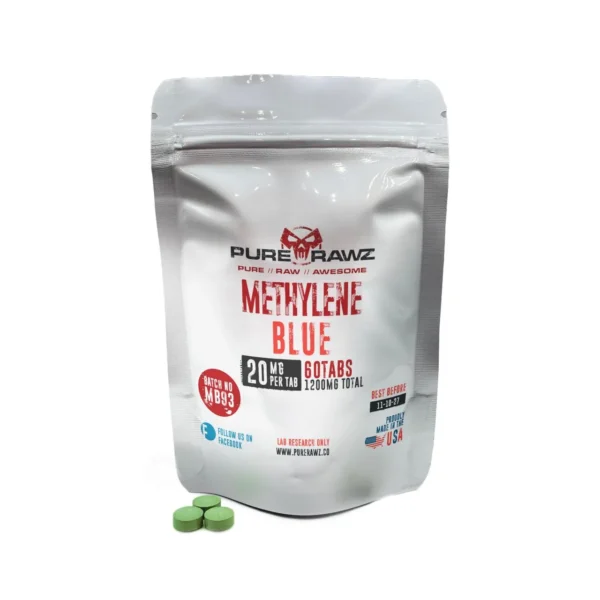
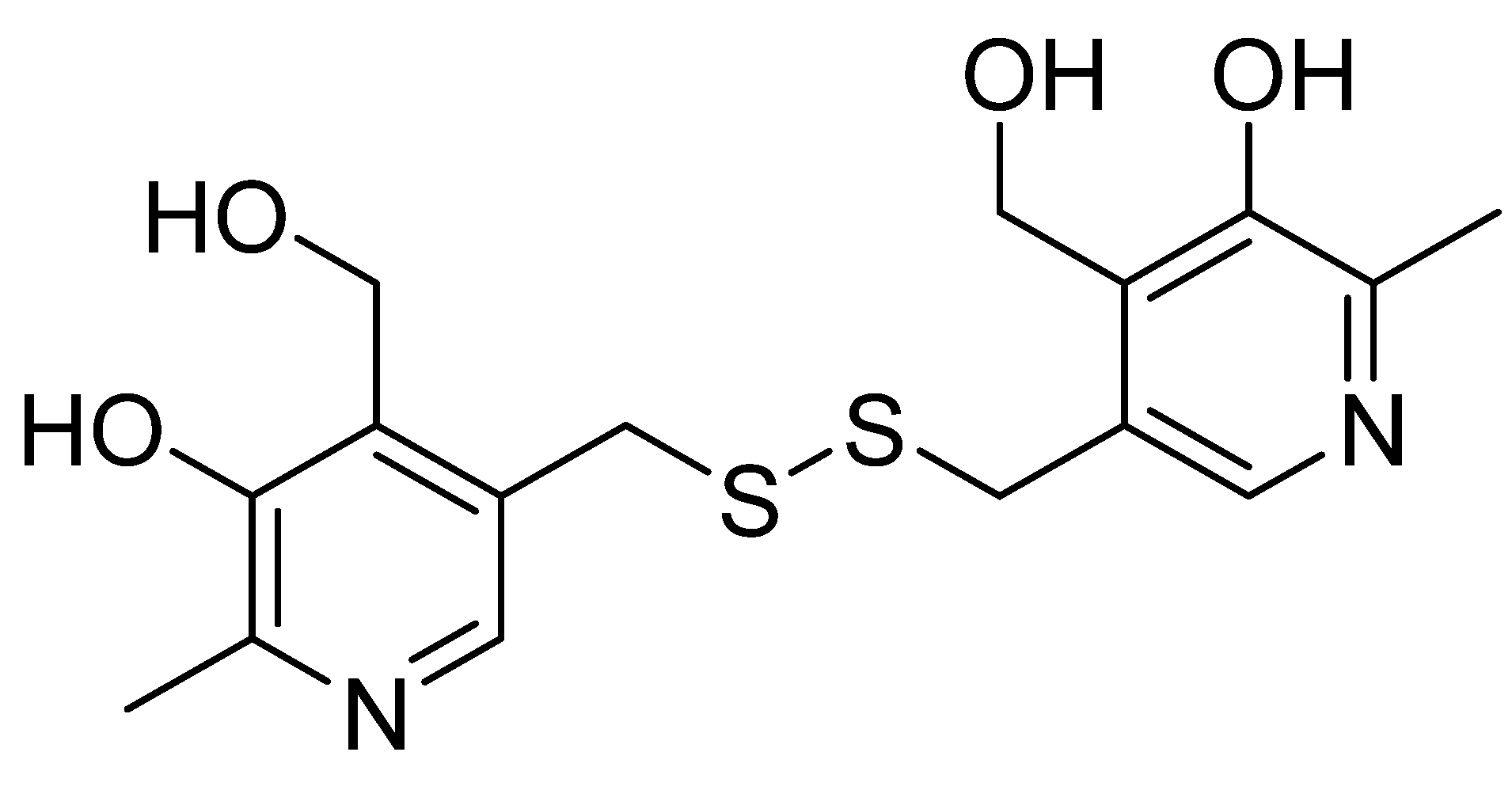
Methylene blue is a 149‑year‑old compound that, in modern trials, has increased memory retrieval by about 7% in healthy adults at low doses during cognitive tasks. As a stand‑alone nootropic that supports mitochondrial function, it is already interesting, but where it becomes truly powerful is as the anchor of a well designed methylene blue nootropic stack. This evidence-based guide covers how to safely stack methylene blue with mitochondrial cofactors (CoQ10, PQQ, NAD+), red light therapy, racetams and supporting compounds, with clear timing protocols and comprehensive safety boundaries.
Quick evidence-based answers to the most important questions about methylene blue stacking for cognitive enhancement
| Question | Evidence-based Answer |
|---|---|
| What is a methylene blue nootropic stack? | A protocol that uses methylene blue as a low‑dose mitochondrial modulator, combined with synergistic compounds like CoQ10, PQQ, NAD+ precursors and sometimes racetams, to support energy metabolism and cognition. For mechanistic background on MB itself, see our methylene blue guide. |
| What is the core methylene blue mitochondria stack? | Typically low‑dose methylene blue, CoQ10, PQQ and a NAD+ precursor such as NR or NMN, all aimed at improving electron transport, mitochondrial biogenesis and redox balance. |
| Can you stack methylene blue with other beginner nootropics? | Yes, many users place MB on top of simple stacks like caffeine plus L‑theanine. Our beginner stack guide outlines a safe foundation before you add more advanced MB protocols. |
| What to stack with methylene blue for focus and alertness? | For daytime work we see users combine MB with caffeine, L‑theanine and sometimes a racetam plus choline source. The caffeine L‑theanine guide is a good baseline reference. |
| Is methylene blue legal in the UK as a nootropic? | Legality depends on formulation and intended use. It sits in a grey area between chemical reagent and supplement. Our overview of nootropic legality in the UK explains the broader regulatory context. |
| How do I set safe dosages in an MB stack? | Start well below clinical doses and titrate slowly. The principle from our dosage guide applies strongly to MB, because it has a hormetic, dose‑dependent response. |
| Can MB be used in a study stack? | Potentially, yes, as a mitochondrial support layer combined with memory‑oriented herbs like Bacopa and focus compounds. Our study stack guide covers non‑MB options you can integrate around it. |
We view methylene blue (MB) as a stack anchor because it acts directly on mitochondrial electron transport, especially at complex I and IV, and can bypass partial blockages in the chain. At nanomolar to low micromolar concentrations, MB cycles between its oxidized and reduced forms, shuttling electrons and supporting ATP production when mitochondria are under relatively mild stress.
From a practical nootropic perspective, that means MB often does not feel like a stimulant in the traditional sense. Instead, users report smoother mental energy, slightly sharper working memory and reduced fatigue, particularly in cognitively demanding tasks. This makes it a suitable base for a methylene blue mitochondria stack that other nootropics can build on.
Important Note
At higher doses MB behaves very differently, which is why we focus here on low‑dose, cognitive‑oriented use rather than medical protocols. Animal work shows a hormetic effect, with memory support at low doses and reduced activity at higher ones.
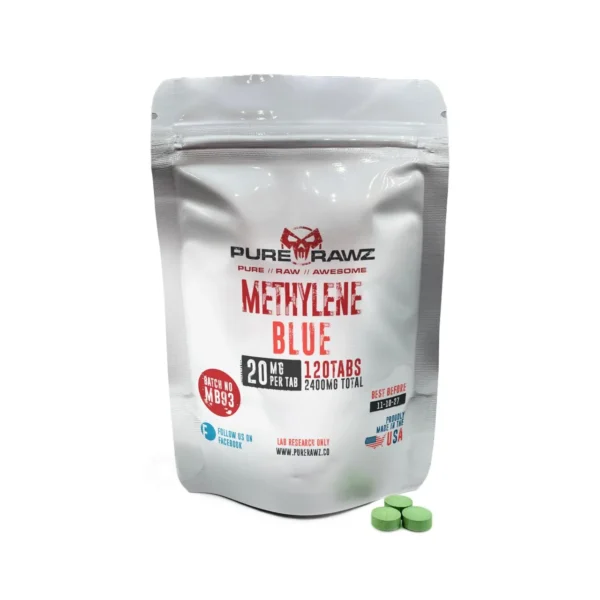
MB + CoQ10 + PQQ + NAD+
Users often ask what to stack with methylene blue if the goal is cleaner cellular energy rather than pure stimulation. The most evidence‑aligned approach is to combine MB with other mitochondrial supports that work at different points in the energy system. This is where CoQ10, PQQ and NAD+ precursors come in.
Mechanistically, MB can accept and donate electrons within the electron transport chain, while CoQ10 carries electrons between complexes I or II and III. PQQ supports mitochondrial biogenesis and acts as a redox cofactor, and NAD+ precursors increase cellular NAD+ pools that are required for hundreds of metabolic reactions, including oxidative phosphorylation.
Low dose, for example in the low milligram range, depending on body weight
Often 100 to 200 mg with food
Commonly 10 to 20 mg daily
NR, NMN, or nicotinamide riboside: typically 250 to 500 mg
Long-term approach: We recommend treating this as a long‑term energy‑support stack rather than a one‑shot performance booster. Users usually run it for several weeks while tracking subjective energy, mental clarity and, where possible, objective markers such as sleep quality and workload capacity.
Photobiomodulation Stack Protocol
One of the most promising, and least discussed, combinations is methylene blue plus red or near‑infrared light therapy. MB absorbs light in the visible spectrum and can function as a photosensitizer, interacting with photons to influence mitochondrial respiration and redox balance. In cell and animal models, MB appears to enhance the impact of light on cytochrome c oxidase activity.
Enhanced Photon Absorption
Work in photobiology suggests that MB can improve photon absorption and mitochondrial responses to red light by roughly 20 to 30 percent under some conditions.
Take low‑dose MB orally about 15 to 30 minutes before a red or near‑infrared light session, to allow some absorption and tissue distribution.
Apply red light to the target area, for example the forehead or neck for brain‑oriented photobiomodulation, following device manufacturer safety limits.
Limit session length and frequency initially, for example 5 to 10 minutes, 3 times per week, while monitoring for headaches, agitation or sleep changes.
Timing Note: Because MB has a time to peak blood levels of roughly 1 to 2 hours, placing red light therapy within this window helps maximize synergy without increasing the MB dose.
Racetams, such as piracetam, aniracetam or phenylpiracetam, work largely through modulation of AMPA receptors, membrane fluidity and cholinergic transmission. Methylene blue appears to inhibit acetylcholinesterase at low concentrations, which could, in theory, complement racetam effects by supporting acetylcholine levels in synapses.
This is why many advanced users consider MB a foundation layer rather than a substitute for racetams. The racetam provides acute pro‑cognitive drive, while MB quietly supports energy and neurotransmitter metabolism in the background. However, because both influence cholinergic systems, choline management becomes essential.
In humans, low-dose methylene blue used for memory-related imaging studies has typically fallen in the 0.5–4.0 mg/kg range, highlighting how far below medical crisis doses most cognitive stacks should stay.
Because MB has a mean time to peak blood levels around 2 hours in aqueous solution, timing can make a noticeable difference to how your stack feels.
| Time | Compound | Rationale |
|---|---|---|
|
Morning, with light breakfast
|
Methylene blue + CoQ10 + PQQ + NAD+ precursor | Build baseline mitochondrial support, align with daytime energy needs. |
|
30–60 minutes later
|
Caffeine + L‑theanine ± racetam | Layer focus on top of stabilized cellular energy. |
|
15–30 minutes before red light
|
Optional small extra MB dose (if tolerated) | Align MB tissue presence with red light exposure in photobiomodulation protocols. |
|
Afternoon
|
Light MB‑free period | Reduce risk of sleep disruption. Many keep MB strictly to morning use. |
We also recommend maintaining at least one or two MB‑free days per week, especially if you are combining it with more stimulating compounds. This creates a basic washout rhythm, helps you detect tolerance shifts and gives your serotonin and monoamine systems some off time.
Lion's Mane, Bacopa And Functional Mushrooms
For many readers the best methylene blue nootropic stack is not purely synthetic. It often includes natural neurotrophic and memory‑supporting compounds that work over weeks, not hours. Lion's Mane, for instance, appears to support nerve growth factor and may promote long‑term neuroplasticity, which pairs logically with MB's mitochondrial support.
Bacopa monnieri, by contrast, has more direct evidence for memory acquisition and recall when used daily over a period of 8 to 12 weeks. Together with MB, these agents move your stack away from pure stimulation and toward structural support for neurons, synapses and energy production.
We usually suggest placing these natural compounds in the morning with MB and your mitochondrial cofactors. Their onset is slow and steady, so acute timing is less critical. Functional mushroom blends that include Lion's Mane can also be used as a base that you maintain, while cycling MB, racetams or stimulants on top.
Natural compounds like Lion's Mane and Bacopa provide sustained neuroplasticity support over weeks and months.
MB and racetams offer more immediate mitochondrial and cognitive effects for demanding workdays.
Natural nootropics often have antioxidant and anti-inflammatory properties that complement MB's cellular benefits.
Maintain natural compounds continuously while cycling synthetic nootropics to prevent tolerance and maintain effectiveness.
Blue Cannatine And Custom Stack Design
Commercial methylene blue stacks such as Blue Cannatine from Troscriptions package MB alongside other stimulants and neuromodulators, typically in precise lozenge formulations. One widely discussed formula contains around 5 mg methylene blue combined with nicotine, caffeine and CBD.
Consistent, measured doses in every serving
Professional manufacturing standards
No measuring or mixing required
Cannot adjust individual ingredients
Many formulas include nicotine
Premium pricing for convenience
A DIY MB stack lets you adjust each component separately. You can keep MB low and stable, increase or remove caffeine, experiment with or without nicotine and adjust mitochondrial cofactors to tolerance.
Adjust each compound independently
Tailor to your neurochemistry and goals
Buy only what you need in bulk
Requires research and careful dosing
Need to measure and prepare daily
Depends on source reliability
Essential guidelines for safe methylene blue use
Methylene blue is a potent monoamine oxidase A inhibitor at low nanomolar concentrations, which places it squarely in the category of compounds that interact with serotonin, dopamine and norepinephrine metabolism. This is why medical regulators have highlighted the risk of serotonin syndrome when MB is combined with serotonergic drugs such as SSRIs, SNRIs or certain tricyclics.
Antidepressants like fluoxetine, sertraline, paroxetine, citalopram, escitalopram, venlafaxine, duloxetine
Pharmaceutical MAOIs or MAO-active botanicals used concurrently
Tricyclic antidepressants, tramadol, St. John's Wort, 5-HTP
MB + high caffeine + nicotine + synephrine + yohimbine all at once
Combining MB with multiple herbs that affect monoamine metabolism
Using MB above the low-dose cognitive window (stay below medical ranges)
The U.S. FDA has warned that combining methylene blue with serotonergic psychiatric medications can trigger serious central nervous system reactions, including serotonin syndrome, which is why stack design must always start with a medication review.
For stack planning, the strongest rule we give is simple: if you are on any antidepressant or psychiatric medication that affects serotonin, you must speak with your prescriber before using methylene blue in any dose. The same caution applies if you are on other MAO inhibitors. Stacking MB on top of multiple serotonergic agents is precisely the scenario that has led to serious adverse reactions in clinical case reports.
Because MB affects mitochondrial function and monoamine metabolism, it is reasonable to build in washout periods rather than taking it indefinitely without breaks. There is no single universally agreed cycling protocol for nootropic use, but we can apply general principles from other neuromodulators.
For intermediate users we often suggest patterns like 5 days on, 2 days off, or 3 weeks on, 1 week off, while keeping the dose constant during the on period. If any unusual symptoms appear, such as persistent insomnia, mood swings, unexplained anxiety, or changes in blood pressure, extend the washout period and review the entire stack.
During washout weeks many users maintain gentler supports such as Lion's Mane, Bacopa and basic micronutrients, keeping only MB out of the system. This creates a clean contrast between on and off phases and helps you determine how much of your cognitive benefit is truly MB related versus coming from the rest of the stack or lifestyle changes.
Weekly cycling pattern for consistent use with regular breaks
Monthly cycling for longer sustained periods with extended washout
Adjust based on your response, symptoms, and tolerance monitoring
To make the ideas above more concrete, it can help to see example stacks for common goals. These are not prescriptions, but templates that you can adapt to your own biology, work demands and medical constraints.
MB (low dose), CoQ10, PQQ, NAD+ precursor
Lion's Mane and Bacopa at evidence based doses
Kept minimal, such as a single cup of coffee
Best for: Sustained energy and long-term brain health
Take MB dose
Caffeine + L‑theanine, optional low‑dose racetam with choline if tolerated
Hydration, no additional stimulants, no late MB dosing
Best for: Intense focus sessions and cognitive performance
Baseline MB + mitochondrial cofactors with breakfast
Small additional MB dose 15–30 minutes before red / near‑infrared light session
2–3 sessions per week, watching for overstimulation or headaches
Best for: Photobiomodulation optimization and enhanced recovery
In all cases the guiding principle is to treat MB as a foundational energy modulator, then layer in stimulants, racetams or red light in a controlled way rather than stacking everything at once on day one. Start simple, assess your response, and build complexity gradually while monitoring for any adverse effects.
Used thoughtfully, a methylene blue nootropic stack can provide a unique combination of mitochondrial support, subtle cognitive enhancement and synergy with tools like red light therapy and racetams. The key is to keep MB in its low‑dose, hormetic window, build a simple methylene blue mitochondria stack around CoQ10, PQQ and NAD+ precursors, then add other nootropics only once you understand how MB alone feels.
From our perspective, the most successful users treat MB as a long‑term foundation, not a quick fix. They respect safety boundaries around serotonergic medications, use structured timing for workdays and photobiomodulation, and build in washout periods to reassess. If you follow those principles, methylene blue can become a stable anchor that quietly amplifies the rest of your nootropic strategy rather than competing with it.
Begin with minimal doses and titrate carefully
Add compounds one at a time to assess response
Check medication interactions before starting
Use washout periods to prevent tolerance
Discover comprehensive guides on beginner stacks, advanced protocols, dosage optimization, and legal considerations for nootropic use in the UK.