Feeling mentally slow, scattered, or "not like yourself" is more common than many people realise. In one large modern dataset, 28.2% of app users reported experiencing brain fog, showing how widespread this issue has become.
While brain fog is not a medical diagnosis, it often reflects a mix of lifestyle, hormonal, post-viral, and cognitive-load factors that quietly add up over time. This guide walks through the most common brain fog triggers seen across real-world research on menopause, post-COVID recovery, sleep, hydration, and cognitive support strategies.
| Question | Key Insight (With Helpful Resources) |
|---|---|
| What commonly triggers brain fog in midlife women? | Shifting hormones, poor sleep, and stress often combine during perimenopause and menopause. A detailed overview of these factors is available in the menopause brain fog guide, which outlines foundation-first lifestyle approaches. |
| Can post-viral illness like COVID-19 contribute to brain fog? | Yes, long-lasting fatigue, sleep disruption, and inflammation after infection are frequently reported triggers. The post-COVID brain fog recovery guide explains pacing, sleep support, and gentle movement strategies many people explore. |
| How much do sleep problems matter? | Sleep fragmentation and irregular schedules are strongly linked to later cognitive difficulties. A structured approach to night-time routines and supportive nutrients is outlined in the sleep and nootropic stack guide. |
| Are there nutritional or supplement-related triggers? | Low intake of brain-relevant nutrients (like choline or creatine), overuse of stimulating compounds, or poorly timed caffeine can all contribute. Evidence and mechanisms for compounds such as creatine are explored in the creatine cognitive benefits guide. |
| What role do underlying conditions play? | Conditions associated with inflammation, autonomic nervous system changes, or low oxygen delivery (e.g., long COVID, some cardiovascular issues) can worsen fog. A mechanistic overview is provided in the mechanism-of-action explainer. |
| Can natural nootropics help? | Some people experiment with herbs and nutrients such as ginkgo, bacopa, or saffron as part of a bigger strategy. A broad overview of these options is collected in the natural nootropics guide, emphasising cautious, informed use. |
| Is it just "in my head"? | No. Brain fog often reflects very tangible triggers: sleep debt, hydration status, hormonal shifts, post-viral changes, and more. For many, systematically addressing these areas leads to clearer, more reliable thinking over time. |
"Brain fog" is a loose term people use for a cluster of experiences: slow thinking, difficulty focusing, word-finding pauses, and a sense of mental heaviness. It is a subjective experience rather than a formal diagnosis, but the patterns behind it are increasingly documented in research.
In large modern samples, brain fog often appears alongside fatigue, sleep problems, headaches, and mood changes. These links suggest that the fog many people describe typically arises from multiple interacting triggers rather than a single cause.
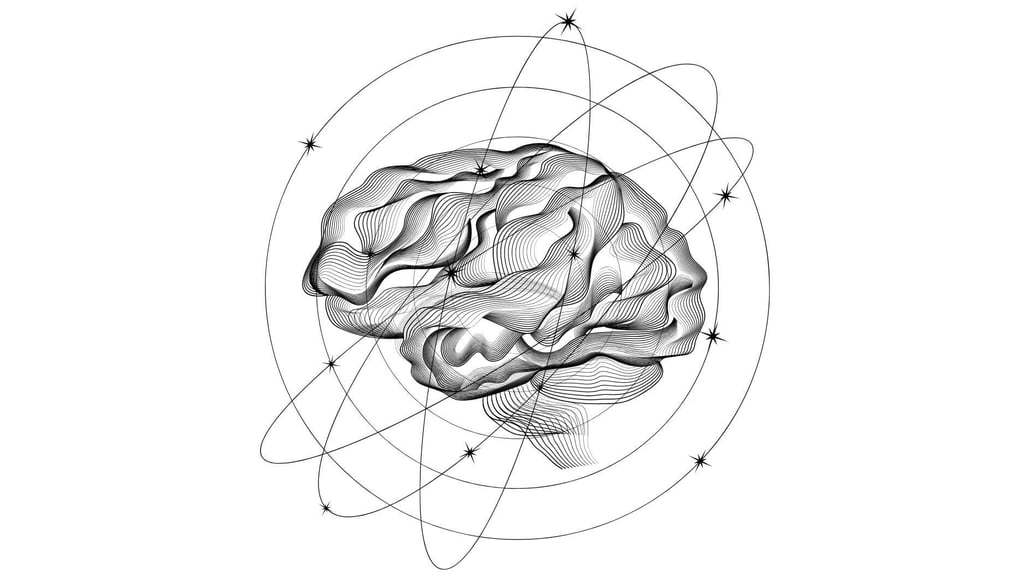
It helps to distinguish brain fog from other states. Fatigue is mainly about low energy; low motivation is about not wanting to start tasks. Brain fog, by contrast, is about feeling mentally "blunted" even when you want to think clearly.
In practice, these often overlap: someone who slept poorly and is recovering from a viral illness may feel tired, unmotivated, and cognitively slow all at once. When mapping your own triggers, it can help to notice which of these dimensions feels most prominent on bad days.
Complete Support For Healthy Memory, Concentration And Mental Acuity
35-in-1 memory essential formula
Designed to offer superior and long-lasting results
Supports every aspect of cognitive total wellbeing
Pure, clean and effective– 100% free of chemical coating and other non-essential fillers
ZERO dangerous stimulants, ZERO toxins and NOT habit forming
Non-GMO, vegan and gluten-free
No more wasted money
Incredible results in RECORD TIME!
For many women, midlife is when brain fog becomes impossible to ignore. Fluctuating oestrogen and progesterone during perimenopause and menopause can influence sleep, mood, hot flashes, and attention patterns, which in turn may contribute to mental fogginess.
The menopause brain fog guide frames this as a multi-factor problem: hormones change, sleep becomes less reliable, stress often rises, and responsibilities at work and home peak. When all these collide, even simple tasks can feel harder to track.
Consistent bed/wake times, dark cool bedrooms, and a calming pre-sleep routine can reduce night-time wakings that worsen fog.
Gentle, regular movement (like walking or yoga) appears to support both mood and cognitive clarity for many women.
Simple breathing practices, journalling, or time boundaries at work may reduce the constant background overload that often fuels brain fog.
Important note: Many midlife women also explore evidence-informed nutrients and nootropics very cautiously, but the central pattern across guidance is to stabilise sleep, stress, and basic energy first before adding more variables.
One of the clearest modern triggers for brain fog is post-viral illness, especially after COVID-19. A 2025 meta-analysis reported that around 27.1% of people with long COVID show measurable cognitive impairment, and some cohorts report persistent fog in a majority of patients several years out.
People recovering from COVID-19 often describe a mix of memory lapses, slowed processing, and concentration problems, even when basic medical tests look normal. The post-COVID brain fog recovery guide emphasises pacing, sleep protection, and gentle movement as core non-medical tools many people trial.
One major trigger for long-COVID brain fog is overexertion: doing "too much" on a good day and crashing for days afterwards. Pacing aims to keep activity within a sustainable envelope so that your nervous system isn't repeatedly pushed into flare-ups.
Many people adopt tools such as:
Over time, this can reduce the intensity of fog episodes for some, especially when combined with careful sleep and rest strategies.
Among people with long COVID, cognitive impairment is reported in about 27.1% of patients across many studies, underscoring how commonly post-viral changes affect thinking and memory.
Sleep is one of the most powerful levers for mental clarity. It isn't only about total hours; fragmented or shallow sleep can be just as problematic as short sleep. Midlife research shows that severe sleep fragmentation is associated with more than double the odds of poor cognitive performance a decade later.
Common triggers here include late caffeine, blue light exposure at night, irregular bedtimes, and stress that keeps your brain "spinning" in bed. Over time, chronic sleep disruption can make fog feel like the default rather than the exception.
Stopping caffeine intake at least 6–8 hours before bed helps prevent subtle sleep fragmentation.
Dimmer, warmer light in the evening and bright light in the morning can support a more stable body clock.
A cool, quiet bedroom and predictable pre-sleep routine can reduce the number of night-time awakenings.
Additional support: Some individuals also explore gentle evening nutrients such as glycine as described in the glycine sleep and focus guide, always alongside the basics of sleep hygiene.
Mild dehydration and low brain-energy substrates don't always feel dramatic, but they can quietly erode attention and processing speed. In one study of older adults, 56% were physiologically dehydrated at baseline, and lower hydration predicted greater cognitive decline over two years.
Hydration is only one part of the picture. Nutrients involved in brain energy systems—such as creatine—also appear to matter, especially when sleep debt or vegetarian diets are in the mix.
The creatine cognitive benefits guide summarises research where creatine monohydrate appears to support working memory and processing speed, particularly in vegetarians and sleep-deprived individuals. People typically use 3–5 g per day in studies, rather than gym-style mega doses.
Foundation first: Hydration, balanced meals with adequate protein, and nutrient-dense foods remain the foundation. Some individuals layer creatine on top of this, viewing it as a way to support brain energy in demanding periods rather than a standalone solution.
Even mild dehydration can impair attention and memory. Aim for consistent fluid intake throughout the day, not just when thirsty.
Brain-relevant nutrients like choline, omega-3s, and B vitamins support cognitive function. Focus on whole foods first.
Another under-recognised trigger cluster involves the autonomic nervous system—the part of your body that regulates heart rate, blood pressure, and digestion outside conscious control. When this system is unstable (sometimes called dysautonomia), people often report brain fog, especially when standing or after minor exertion.
Post-COVID syndromes, chronic stress, and some hormonal transitions can all interact with autonomic regulation. Symptoms such as racing heart on standing, light-headedness, and "wired but tired" feelings often travel with mental cloudiness.
Rising more slowly and avoiding long periods of standing can reduce "head rush" and associated fog for some.
Many clinicians discuss fluid and salt intake for autonomic symptoms; individuals often track how this affects clarity during the day.
Activities like recumbent cycling or floor-based movement can provide conditioning without overwhelming upright tolerance.
The mechanism-of-action guide offers more context on how oxygen delivery and circulation link to brain performance—a useful framework when tracking autonomic triggers with your healthcare team.
Sleep fragmentation in midlife has been linked to nearly triple the odds of poorer cognitive performance a decade later, highlighting how night-time disruptions can snowball into long-term "fog."
Not all brain fog stems from illness or physiology. Sometimes, it's the simple reality of modern work: constant notifications, multitasking, and pressure to move quickly on complex tasks. The brain has a built-in trade-off between speed and accuracy, and forcing maximum speed all day can make thinking feel scrambled.
The neurocognitive speed and accuracy guide explains how different tasks demand different settings. Deep writing or strategy work, for instance, usually benefits from a slower, more precise mode, whereas email triage may tolerate faster, less precise processing.
Setting aside protected time for one cognitively heavy task reduces context switching, a major fog trigger.
To-do lists, calendars, and note apps free up working memory so your brain doesn't juggle everything at once.
Short, screen-free breaks between intense blocks can reset attention, preventing the glazed-over feeling that often appears by mid-afternoon.
Key insight: Some people pair these behavioural strategies with gentle nootropics, but the underlying theme is the same: design your environment so that your brain isn't permanently running at redline.
Natural nootropics—herbs and nutrients with research on attention, memory, or mood—are another area people explore when dealing with brain fog triggers. It's important not to treat these as replacements for sleep, nutrition, or medical assessment, but rather as potential adjuncts.
The natural nootropics guide collects evidence summaries on options like bacopa, saffron, and omega-3s, encouraging cautious self-experimentation, dose awareness, and attention to side effects.
The ginkgo for memory guide notes that standardized ginkgo extracts have shown modest benefits for attention and memory in some older adults, particularly over 8–12 weeks of regular use. Doses in studies are often in the 120–240 mg per day range.
Important approach: It's common to pair such compounds with lifestyle basics: hydration, regular movement, and consistent sleep. The goal is to create a supportive environment where nootropics, if used, are a small part of a broader clarity plan rather than the main pillar.
Memory & learning support
Mood & focus enhancement
Brain structure support
Circulation & attention
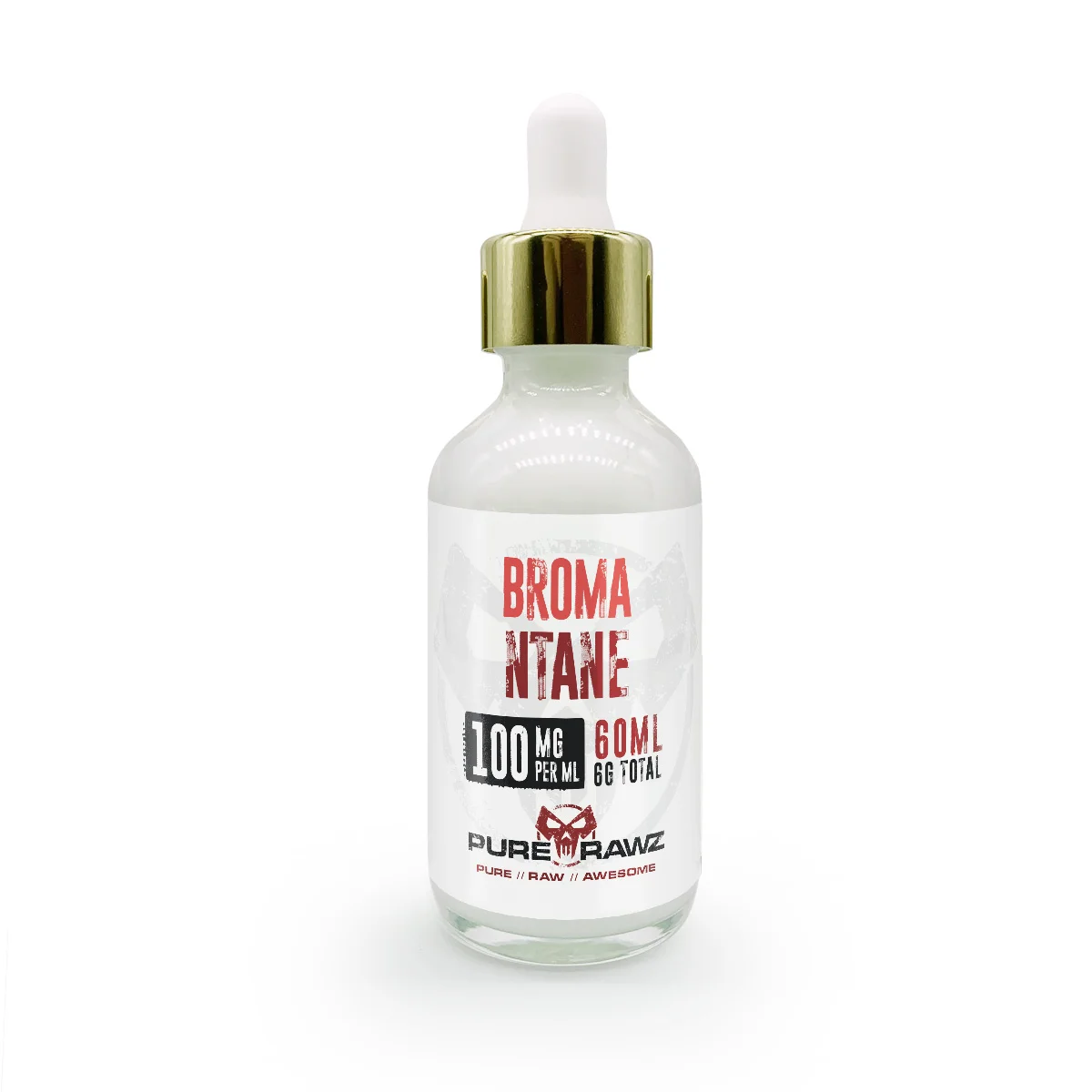
Beyond natural options, some people look at more potent synthetic compounds such as Noopept and Bromantane in hopes of rapidly clearing brain fog. Guides on these compounds emphasise that evidence is still developing and that many products are sold as research materials rather than approved treatments.
The Noopept guide describes how this dipeptide nootropic is often used in 10–30 mg per day ranges, with mixed reports on benefits and side effects. Meanwhile, Bromantane is discussed in a dedicated Bromantane guide, highlighting its unusual profile and regulatory questions.
Some studies come from limited settings and may not generalise widely.
Compounds may be banned in sport or not approved as medicines in many countries.
Stronger agents can interact with existing medications or health conditions.
Our recommendation: Many people reserve such options for careful reading, professional guidance, and last-resort experimentation—if at all—after foundations like sleep and hydration have been addressed.
Because brain fog has so many potential inputs, individual mapping is often the most useful step. Rather than looking for one single cause, it can help to track patterns across sleep, stress, hormones, illness history, hydration, and workload.
The dosage calculator tool on Herbal Nootropics is aimed at helping people think more systematically about stacking and intake; you can apply the same structured mindset to fog triggers by recording what your days look like when your mind feels clear versus cloudy.
Each day, give your brain clarity a simple 1–10 rating.
Track the following daily:
After a couple of weeks, patterns often emerge—late nights, certain workloads, or dehydrated days may align with heavier fog.
Remember: This kind of self-observation doesn't replace medical assessment, but it can give you and any professionals you work with clearer clues about where to focus efforts.
Hours, fragmentation, timing
Daily fluid intake patterns
Work intensity, multitasking
Emotional and physical stress
Cycle patterns, menopause
Recovery phase, symptoms
Brain fog is rarely random. More often, it reflects an accumulation of triggers: shifting hormones, fragmented sleep, post-viral changes, autonomic instability, dehydration, and relentless cognitive load. Each of these may be modest alone, but together they can make your thinking feel dulled and unreliable.
By viewing brain fog as a multi-factor signal rather than a mysterious flaw, you gain more options. Small, deliberate changes—protecting sleep, pacing exertion after illness, staying hydrated, simplifying your workload, and cautiously exploring evidence-informed nutrients—can all contribute to clearer, steadier cognition over time.
Your foundation for clarity
Avoid boom-bust cycles
Often overlooked trigger
Evidence-based approach
While no single step fits everyone, a systematic, gentle approach gives your brain the best chance to do what it's designed to do: think clearly. Start with the basics, track your patterns, and build from there.
Get clarity on the most common questions about brain fog triggers, symptoms, and solutions
Brain fog is complex and personal. If you're experiencing persistent cognitive issues, consult with a healthcare professional for personalized guidance.