Neuroprotection Mechanisms

Oxiracetam Neuroprotection: How The Akt/mTOR Pathway May Help Protect Your Brain

Vascular dementia and post-stroke cognitive decline are among the most devastating causes of memory loss, yet current drugs only offer modest symptom relief and do little to protect brain cells from dying. Discover how oxiracetam modifies core survival pathways in neurons through the Akt/mTOR pathway, apoptosis regulation, and autophagy control.
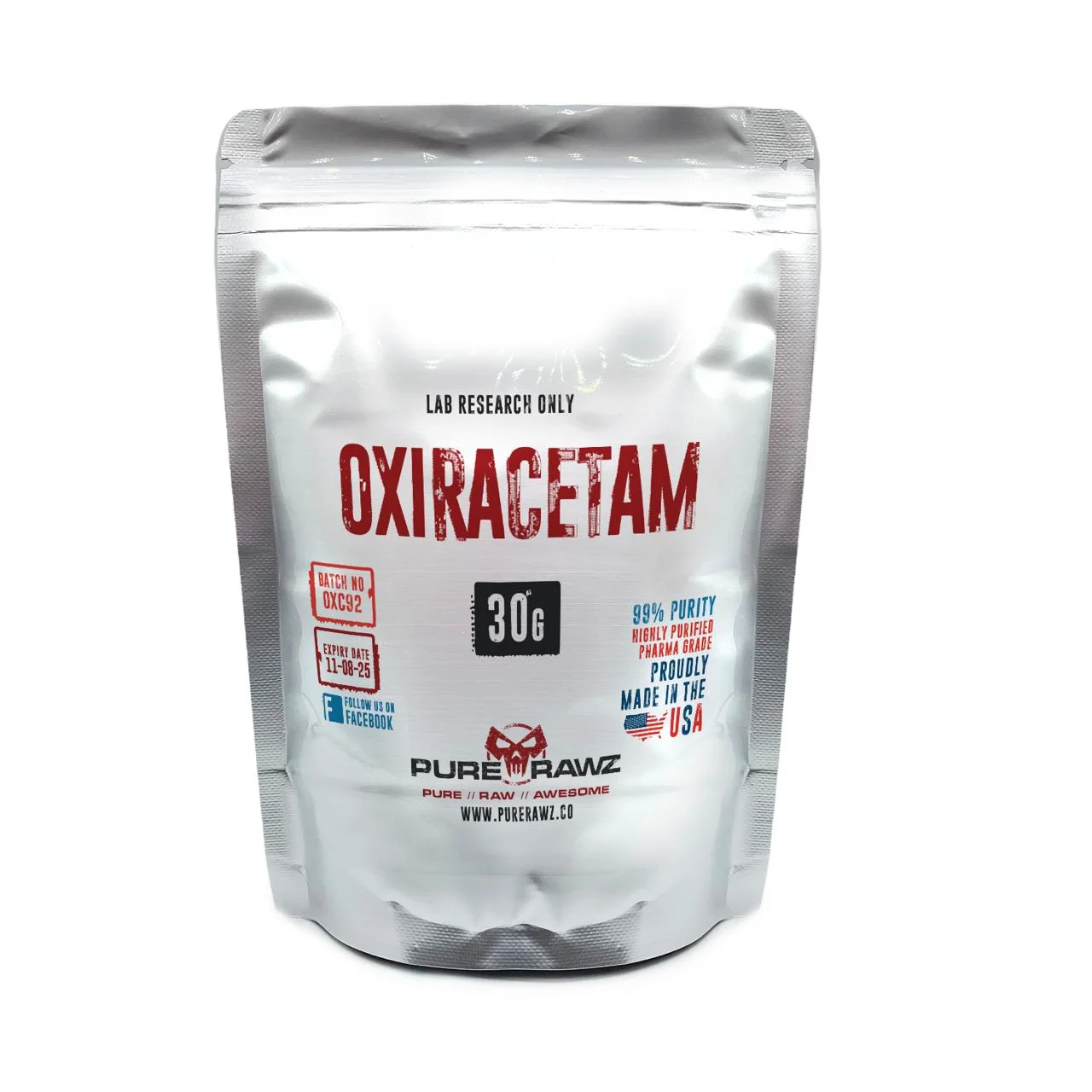
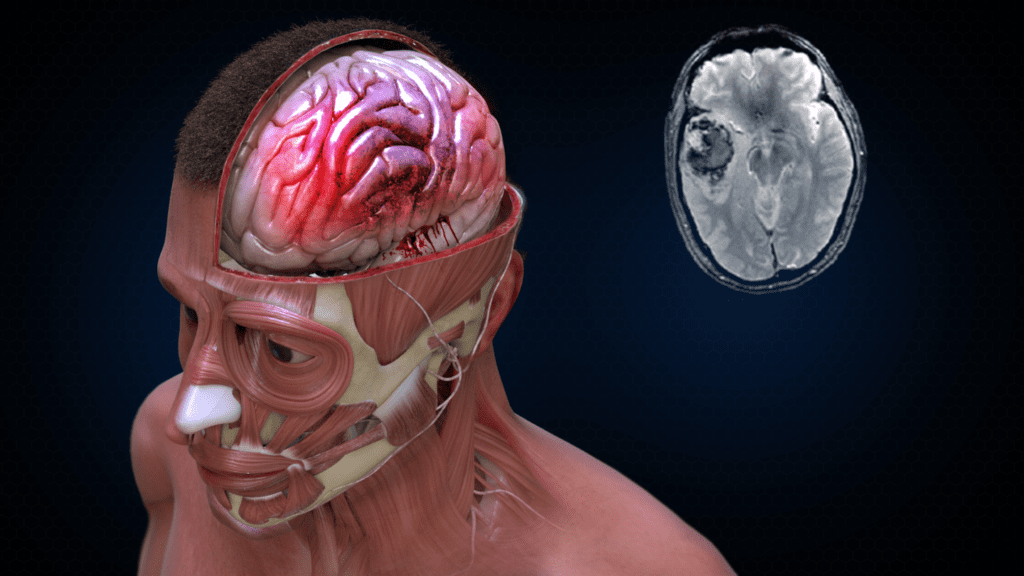
Diagram showing different steps leading to the formation of amyloid plaques in Alzheimer disease. Digital illustration, 3D render.
Quick Reference

Key Takeaways

Essential information about oxiracetam's neuroprotective mechanisms and applications

Question Short Answer

What is the core oxiracetam neuroprotection mechanism?

Preclinical work suggests activation of the Akt/mTOR cell survival pathway, plus reduced apoptosis and pathological autophagy in ischemic brain tissue, particularly in vascular dementia models.

How does oxiracetam relate to vascular dementia?

In chronic hypoperfusion models, oxiracetam improves maze performance and preserves hippocampal neurons. Learn more in our oxiracetam for vascular dementia guide.

Does oxiracetam help in Alzheimer's-type pathology?

Animal and exploratory human data suggest possible benefits on synaptic function and oxidative stress, outlined in our oxiracetam for Alzheimer's neuroprotection article.

What role does brain metabolism play?

Oxiracetam enhances glucose and energy metabolism in neurons and glia, complementing Akt/mTOR signaling. See our oxiracetam brain metabolism mechanism guide.

Can oxiracetam support TBI recovery?

The L-oxiracetam enantiomer has been evaluated in the LOCATE trial for TBI cognition, with mixed but intriguing domain-specific results. Details in our L-oxiracetam TBI recovery overview.

Where can I learn about dosing and benefits?

See our comprehensive oxiracetam cognitive enhancement guide covering clinical dosage ranges, timing, and side effect profiles.

Is oxiracetam relevant for anti-aging strategies?

Yes, because Akt/mTOR, apoptosis, and autophagy are central to cellular aging. The oxiracetam anti-aging brain benefit focuses on preserving neurons under vascular and metabolic stress.
Section 1

Why Vascular Dementia Puts Oxiracetam's Neuroprotection Mechanism In The Spotlight

Vascular dementia arises when chronic or repeated reductions in cerebral blood flow gradually injure brain tissue, especially in regions that support memory and executive function. Standard drugs for dementia mostly target neurotransmitters, yet they rarely modify the core processes that decide whether a neuron survives hypoxia, oxidative stress, or inflammation.

Preclinical Evidence

Oxiracetam enters this picture not just as a "study drug" but as a racetam with emerging mechanistic evidence for preserving neurons under vascular stress. Preclinical research in bilateral common carotid artery occlusion (BCCAO) models, which mimic chronic cerebral hypoperfusion, suggests that oxiracetam can improve maze learning while also changing the expression and activation of key survival proteins like Akt and mTOR.

Section 2

What Oxiracetam Is And Why Its Mechanism Matters

Oxiracetam is a synthetic derivative of piracetam from the racetam family. It is relatively lipophilic, so it crosses the blood-brain barrier and reaches the hippocampus and cortex, which are primary targets in both vascular and degenerative dementias.

Typical Dosage Range

In human studies, daily intakes often sit between 800 mg and 2,400 mg, typically split into 2 or 3 doses, although formal regulatory approvals vary by country.

As we explain in our broader mechanism of action guide, understanding how a compound works is crucial for assessing long-term safety and its fit within an anti-aging brain strategy.

Beyond Traditional Focus

For oxiracetam, the traditional focus has been on AMPA receptor modulation and acetylcholine release, but the newer vascular dementia work highlights deeper layers involving Akt/mTOR, autophagy control, and cellular survival decisions.

Section 3

Vascular Dementia Models: How Researchers Study Oxiracetam Neuroprotection

The BCCAO Model

To understand how oxiracetam prevents brain cell death, researchers use the BCCAO model (bilateral common carotid artery occlusion), where both common carotid arteries are partially or fully occluded in rodents.

This produces chronic cerebral hypoperfusion that resembles small vessel disease, post-stroke vascular dementia, and some aspects of aging-related white matter damage in humans.

Without Treatment

  • Impaired spatial learning
  • Loss of hippocampal neurons in CA1 region
  • Increased markers of apoptosis
  • Dysregulated autophagy

With Oxiracetam

  • Administered for several weeks
  • Doses: 100-200 mg/kg
  • Assess behavioral outcomes
  • Measure molecular changes
Did You Know?

In the LOCATE Phase 3 trial, 500 patients were randomized to L-oxiracetam or placebo (247 vs 253), providing one of the largest modern data sets exploring oxiracetam-class drugs in real-world brain injury patients.

Section 4

Behavioral Outcomes: What Maze Tests Tell Us About Oxiracetam's Effects

Morris Water Maze Test

The Morris water maze is a standard test for spatial learning and memory in rodents. In vascular dementia models, untreated animals show:

  • Increased escape latency - takes longer to find the hidden platform
  • Less time in target quadrant - indicating weak memory retention

With Oxiracetam Treatment

Escape latency decreases

Dose-dependent improvement

Target quadrant time increases

Better memory retention

Electrophysiology Support

Earlier electrophysiology also supports this: in rat hippocampal slices, 1 µM oxiracetam produced about a 70% increase in CA1 synaptic response, consistent with enhanced AMPA-NMDA related transmission that could underlie these behavioral gains.

Section 5

Tissue-Level Neuroprotection: How Oxiracetam Preserves Neurons

Beyond behavior, histological analysis is crucial for understanding whether oxiracetam truly protects brain cells. In BCCAO models, Nissl staining typically reveals widespread neuronal shrinkage, pyknosis, and cell loss in hippocampal CA1 and cortical layers. These are the anatomical correlates of declining memory and executive function.

Untreated BCCAO

  • Widespread neuronal shrinkage
  • Pyknosis (nuclear condensation)
  • Cell loss in hippocampal CA1
  • Cortical layer degeneration

Oxiracetam-Treated

  • Fewer degenerating neurons observed
  • Cell morphology closer to normal
  • Preserved hippocampal structure
  • Maintained synaptic architecture

Key Insight

This structural preservation matches the behavioral improvements, supporting the concept that the drug does not simply enhance compensation—it may help maintain actual neuronal viability and synaptic architecture.

Section 6

Anti-Apoptotic Signaling: The Bcl-2/Bax Ratio And How Oxiracetam Prevents Brain Cell Death

Understanding Apoptosis

Apoptosis is programmed cell death, and in ischemic or chronically underperfused brain tissue, apoptotic pathways can be over-activated. Two critical proteins, Bcl-2 and Bax, pull this system in opposite directions.

Bcl-2 Protein

Function:

Anti-apoptotic (promotes survival)

Higher is better for cell survival

Bax Protein

Function:

Pro-apoptotic (promotes death)

Lower is better for cell survival

Bcl-2/Bax Ratio

Critical Marker:

Determines cell fate: survival or death

Higher ratio = more survival

How Oxiracetam Modulates The Bcl-2/Bax Ratio

In Vascular Dementia Models:

Bcl-2 levels fall and Bax levels rise, reducing the ratio and favoring neuronal loss

With Oxiracetam Treatment:

The ratio increases compared with untreated BCCAO animals, nudging neurons toward survival

This Is How Oxiracetam Prevents Brain Cell Death

By biochemically nudging neurons away from apoptosis and back toward survival

Did You Know?

In the LOCATE trial, 90-day LOTCA scores improved by 20.45 points in the L-oxiracetam group compared with 11.47 in placebo, a least-squares mean difference of 8.97 points (95% CI 5.69–12.26; P < 0.001), highlighting domain-specific cognitive gains even when global scores like MMSE remained similar.

Section 7

Autophagy Modulation: Oxiracetam's Role In Cellular Housekeeping

What Is Autophagy?

Autophagy is the process by which cells degrade and recycle damaged proteins and organelles. In moderation, autophagy is protective, particularly in aging neurons that accumulate oxidative damage.

Protective (Normal)

  • Removes damaged proteins
  • Recycles cellular components
  • Supports cellular health

Pathological (Excessive)

  • Dysregulated activation
  • Contributes to cell death
  • Seen in BCCAO models

Key Autophagy Markers

LC3-II/LC3-I Ratio

Autophagosome formation

Beclin1

Autophagy initiation

p62/SQSTM1

Autophagy flux indicator

Oxiracetam's Autophagy Regulation

In BCCAO models, markers like LC3-II/LC3-I ratio and Beclin1 typically rise, indicating intensified autophagosome formation, while p62/SQSTM1 levels can either rise or fall depending on flux.

High-Dose Oxiracetam Effect:

  • Reduces LC3-II/LC3-I conversion
  • Lowers Beclin1 expression
  • Brings p62 closer to baseline
Section 8 - Core Mechanism

The Oxiracetam Akt/mTOR Pathway: Central Switch For Cell Survival

Understanding the molecular signaling hub that determines whether a neuron lives or dies

The Central Signaling Hub

Akt (protein kinase B) and mTOR (mechanistic target of rapamycin) form a central signaling hub that integrates nutrient status, growth factors, and stress signals to decide whether a cell grows, maintains itself, or dies.

Akt Protein

(Protein Kinase B)

Activation Marker:

p-Akt (phosphorylated Akt)

Key Function:

Supports higher Bcl-2/Bax ratios (anti-apoptotic)

mTOR Protein

(Mechanistic Target of Rapamycin)

Activation Marker:

p-mTOR (phosphorylated mTOR)

Key Function:

Suppresses excessive autophagy, supports protein synthesis

How Oxiracetam Activates Akt/mTOR

Phosphorylation Increase

In vascular dementia models, oxiracetam increases p-Akt and p-mTOR levels in a dose-dependent fashion

Enhanced signaling activity
Protein Levels Stable

Total Akt and mTOR protein levels remain unchanged

Primarily enhances activity, not expression

Functional Result:

Akt activation supports higher Bcl-2/Bax ratios (anti-apoptotic), while mTOR activation suppresses excessive autophagy and supports protein synthesis and synaptic maintenance, which aligns closely with the observed protection of hippocampal neurons.

Section 9

Translating Mechanism To Human Brain Health And Anti-Aging

Beyond Superficial Mental Energy

When we discuss the oxiracetam anti-aging brain benefit, we are not referring to superficial mental energy, but to the possibility of sustaining neuronal integrity under vascular, metabolic, and inflammatory challenges that accumulate with age.

Core Roles in Brain Aging & Longevity Science

Akt/mTOR

Signaling regulation

Apoptosis

Cell death control

Autophagy

Cellular cleanup

These pathways all play core roles in brain aging and longevity science, alongside lifestyle factors like exercise and nutrition.

Clinical Data Are Still Mixed

In the LOCATE trial, global scales like MMSE and CDR-SB did not differ significantly between L-oxiracetam and placebo, but more sensitive and domain-focused tools like LOTCA and MoCA hinted at benefits in specific cognitive domains.

What This Means:

For preventive or "biohacking" use, oxiracetam should be viewed as a mechanistically plausible tool that still requires more targeted trials, especially in vascular cognitive impairment and mild cognitive decline rather than advanced dementia.

Section 10

Safety, Dosing Context, And How Mechanism Shapes Practical Use

LOCATE Trial Safety Profile

Mechanism also helps frame realistic safety expectations. In LOCATE, treatment-related adverse events occurred in different groups at varying rates:

9.4%

L-Oxiracetam

Treatment-related AEs

17.4%

Standard Oxiracetam

Treatment-related AEs

9.2%

Placebo

Treatment-related AEs

This suggests that while the class is generally well tolerated, subtle differences between enantiomers and formulations matter. For self-directed use, we always recommend starting at the lower end of clinical dosing ranges and increasing gradually if needed.

Important Mechanism-Based Considerations

Because Akt/mTOR is also implicated in cancer biology and metabolic regulation, it is important not to assume "more is always better."

Appropriate Context

Short- to medium-term modulation in the context of:

  • Brain injury
  • Hypoperfusion
  • Vascular cognitive impairment

Caution Needed

Be cautious about:

  • Indefinite, high-dose activation
  • Use as standalone solution
  • Ignoring cardiovascular health

Part Of A Broader Plan

From our perspective, oxiracetam sits best as part of a broader plan that includes:

Cardiovascular health
Quality sleep
Proper nutrition
Natural neuroprotectives
Section 11

Summary Table: Oxiracetam Neuroprotection Mechanism At A Glance

To bring the main mechanistic threads together, the table below summarises how oxiracetam shifts key parameters in vascular dementia models and how these changes relate to cognitive outcomes.

Parameter Vascular Dementia Model (No Treatment) With Oxiracetam Interpretation
Escape latency
(Morris water maze)
Prolonged

Slow learning

Reduced

Dose-dependent

Improved spatial learning efficiency
Time in target quadrant Reduced Increased Better memory consolidation and retrieval
Hippocampal / cortical neuron integrity Severe

Widespread degeneration

Preserved

Markedly improved

Structural neuroprotection
Bcl-2/Bax ratio Decreased

Pro-apoptotic

Restored

Toward normal

Reduced apoptotic drive
LC3-II/LC3-I and Beclin1 Elevated

Pathological autophagy

Reduced

At higher doses

Controlled autophagy, less autophagic death
p-Akt Low Increased

Dose-dependent

Activated survival signaling
p-mTOR Low Increased

Dose-dependent

Enhanced protein synthesis, reduced excess autophagy

Key markers: The p-Akt and p-mTOR rows represent the core Akt/mTOR pathway activation that drives many of the neuroprotective effects seen in other parameters.

Conclusion

A Coherent Neuroprotection Mechanism With Real Potential

From our perspective, the most compelling aspect of oxiracetam is not just its ability to sharpen maze learning or modestly influence clinical scales, but its coherent neuroprotection mechanism built around the Akt/mTOR pathway, apoptosis, and autophagy.

Key Evidence

In vascular dementia models, oxiracetam improves behavior and preserves hippocampal neurons while simultaneously shifting molecular markers toward survival, which provides a plausible foundation for its use in:

  • Vascular cognitive impairment
  • Post-stroke recovery
  • Traumatic brain injury (TBI) contexts

Transparency About Evidence

At the same time, we want to be transparent. Human data are still evolving, and not all trials show clear benefits on global cognition. For anyone considering oxiracetam as part of a longevity or cognitive strategy, it should sit alongside, not replace, fundamentals like:

Vascular health
Quality sleep
Natural neuroprotectives
Regular exercise

Mechanism-focused research will continue to refine where this racetam fits best, and we will keep updating our guides as new data on Akt/mTOR signaling, dosing, and long-term outcomes emerge.

Explore More Neuroprotection Resources

Continue your journey into understanding how nootropics and natural compounds can support brain health and cognitive function.

View Premium Oxiracetam

High-quality research-grade oxiracetam from a trusted source