
Evidence-Based Analysis

Oxiracetam for Alzheimer's Disease: Neuroprotection Evidence

Oxiracetam has been studied for dementia for more than three decades, yet clinical trials show mixed results. We examine the science behind oxiracetam's neuroprotective potential and its place in alternative Alzheimer's treatments.

Alzheimer left hemisphere compared to healthy right hemisphere in a coronal brain slice with cortical thinning, widened sulci, enlarged ventricles and progressive brain tissue loss.
30+
Years of Research

Evidence-Based Research

Reviewed

This article provides a comprehensive analysis of oxiracetam's role in Alzheimer's disease based on peer-reviewed clinical trials, preclinical research, and established neuroscience literature. Our research team evaluates nootropic compounds through an evidence-based lens, prioritizing safety, efficacy data, and transparent reporting of limitations.

Published: January 9, 2024
Updated: January 9, 2026
Reading time: 15 minutes

Medical Disclaimer: This content is for informational purposes only and does not constitute medical advice. Oxiracetam is not approved for Alzheimer's treatment in most jurisdictions. Always consult healthcare professionals before using any supplement, especially for serious medical conditions.

Article Summary

TL;DR - Key Points at a Glance

Oxiracetam is a nootropic compound from the racetam family that has been investigated for over 30 years as a potential treatment for Alzheimer's disease and dementia. While clinical trials show mixed results, preclinical research demonstrates promising neuroprotective mechanisms.

Mechanisms

  • Reduces microglial inflammation
  • Modulates amyloid beta interactions
  • Antioxidant neuroprotection

Clinical Evidence

  • Mixed results in AD-specific trials
  • Not FDA-approved for Alzheimer's
  • Potential as adjunct therapy only

Bottom Line: Oxiracetam shows mechanistic promise for neuroprotection and anti-inflammatory effects in Alzheimer's models, but clinical efficacy remains unproven. It may serve as an experimental adjunct under medical supervision but should never replace established Alzheimer's treatments or lifestyle interventions.

Oxiracetam Alzheimer's Disease Neuroprotection Nootropics Cognitive Enhancement

Key Takeaways

Question Answer
1. Does oxiracetam improve Alzheimer's symptoms? Most Alzheimer's specific clinical trials did not show clear cognitive benefit, although some mixed dementia studies reported quality of life and selected test improvements.
2. How might oxiracetam help the brain in Alzheimer's? Preclinical data on oxiracetam neuroprotection show it can reduce oxiracetam amyloid beta induced microglial activation, lower inflammatory cytokines, and protect neurons indirectly from inflammatory damage.
3. Is oxiracetam an approved Alzheimer's treatment? No. In most countries it is not an approved Alzheimer's drug. In some markets it is prescribed for "cognitive dysfunction" more broadly. Our detailed guide covers clinical use contexts here: oxiracetam cognitive enhancement guide.
4. Can oxiracetam be part of alternative treatments for Alzheimer's disease? Possibly as an experimental adjunct, but only under medical supervision. It should never replace established Alzheimer's medications or lifestyle interventions.
5. What are the main risks and side effects? Most trials report good tolerability, with occasional insomnia, agitation, or headaches. Older adults with dementia are medically fragile, so dose and interactions must be managed carefully.
6. How strong is the evidence base today? Most human data come from older trials with mixed dementia cohorts. Modern Alzheimer's specific evidence is sparse, so we view oxiracetam as promising but unproven for AD.
7. Where can I learn about safe dosing and stacking? Foundations like "start low and go slow" and choline synergy are covered in depth in our broader dosage guides and stacking resources on our site.

Understanding Oxiracetam: What It Is And Why It Was Tested In Alzheimer's

Oxiracetam is a synthetic nootropic in the racetam family, originally developed to support memory and learning in people with cognitive decline. It shares the core pyrrolidone structure of other racetams but has its own pharmacological profile and S enantiomer that appears to be the most active form.

In several European countries, oxiracetam has been used as a prescription drug for "cognitive dysfunction" in older adults, which naturally led researchers to test it in Alzheimer's and other dementias. In other regions it is sold as a research chemical, not as an approved medicine, which is important when families consider it as an off label option.

From our perspective, the interest in oxiracetam for Alzheimer's grew from two angles. First, early clinical reports hinted at improvements in attention and memory in dementia. Second, newer lab work suggests it may directly influence inflammatory pathways and oxidative stress that are central to Alzheimer's pathology.

To understand whether oxiracetam deserves a place in alternative treatments for Alzheimer's disease, we need to look separately at symptom level clinical data and at mechanistic neuroprotection and inflammation data.

Clinical Evidence: What Trials Tell Us About Oxiracetam In Alzheimer's And Dementia

Human trials of oxiracetam in Alzheimer's date back to the late 1980s and early 1990s. The picture is nuanced, with Alzheimer's specific studies largely negative, and broader dementia studies showing more encouraging signals on certain outcomes.

In a high profile randomized trial in probable Alzheimer's disease, 24 patients received oxiracetam or placebo and completed an extensive neuropsychological battery. Oxiracetam did not improve overall cognitive impairment compared to placebo, which is a key reason it never became a mainstream Alzheimer's drug.

By contrast, larger mixed dementia cohorts, which included vascular and degenerative dementia, sometimes found benefits. One 1989 study with nearly 300 analyzable patients reported improvements on multiple measures such as the Mini Mental State Examination and memory tests, with generally good tolerability.

Other work in the early 1990s suggested better quality of life scores and enhanced performance on tasks like controlled associations and short story recall in dementia patients on oxiracetam. However, these were not Alzheimer's only populations, so it is difficult to directly translate these findings into firm AD recommendations.

Oxiracetam Neuroprotection: How It Acts On Microglia, Inflammation, And Neurons

The most exciting recent findings for oxiracetam in the Alzheimer's context focus on oxiracetam neuroprotection. A 2020 in vitro study used Aβ42 oligomers, a toxic amyloid beta form strongly implicated in AD, to stimulate microglia (BV2 cells) and hippocampal neurons (HT22 cells).

When researchers exposed microglia to amyloid beta then treated them with oxiracetam at concentrations up to 100 μM, they saw fewer of the typical activation changes. Microglia showed about a 20 to 25 percent reduction in morphological activation and phagocytosis, markers of a calmer, less inflammatory immune state in the brain.

This work also showed that oxiracetam lowered expression and release of key pro inflammatory cytokines, including IL 1β, IL 6, and TNF α, at both mRNA and protein levels by roughly 20 to 25 percent. It additionally reduced inducible nitric oxide synthase (iNOS) expression and nitric oxide production, which are major drivers of oxidative and nitrosative stress in neurodegeneration.

Importantly, oxiracetam did not protect neurons from direct amyloid beta toxicity. Instead, it protected HT22 hippocampal neurons when they were exposed to conditioned medium from amyloid beta activated microglia. In other words, oxiracetam neuroprotection in this model came from dampening microglial driven inflammation rather than blocking amyloid toxicity at the neuron level.

Did You Know?

In vitro mechanistic work from 2020 showed that oxiracetam reduced amyloid-β–induced microglial activation and inflammatory cytokine expression (IL-1β, IL-6, TNF-α) and protected neurons indirectly from inflammatory toxicity.

Oxiracetam Amyloid Beta Interactions: Why Microglia And Inflammation Matter In AD

Alzheimer's research has moved far beyond viewing amyloid plaques as the whole story. Today, chronic neuroinflammation is seen as a co driver of disease progression, and microglia are at the center of that process. This is where oxiracetam amyloid beta research becomes relevant.

In the Aβ42 oligomer model, oxiracetam did not stop amyloid from forming or binding, but instead changed how microglia responded to that insult. By reducing microglial activation, phagocytosis, cytokine release, and nitric oxide production, oxiracetam helped create a less toxic environment for nearby neurons.

From a mechanistic viewpoint, this falls under oxiracetam anti-inflammatory brain activity. Rather than acting as a direct amyloid modifier, it appears to modulate downstream damage by calming overactive immune responses that would otherwise injure synapses and neurons.

Some researchers speculate that oxiracetam may influence Toll like receptor (TLR) and PI3K related signaling in microglia, which are key pathways in neuroinflammation, although the 2020 study did not formally test these cascades. That leaves us with a strong mechanistic rationale, but without firm pathway mapping or clinical confirmation in people with Alzheimer's.

Oxiracetam Anti-inflammatory Brain Effects: Connecting Lab Data To Real Patients

When we evaluate potential alternative treatments for Alzheimer's disease, we look for convergence between biological plausibility and human outcomes. Oxiracetam clearly has a plausible anti inflammatory and antioxidant profile in cell models of amyloid beta toxicity.

In practice, however, Alzheimer's is a long term, systemic condition, not a short cell culture exposure. The question is whether the reductions in IL 1β, IL 6, TNF α, iNOS, and nitric oxide seen with oxiracetam translate into slower cognitive decline or better daily functioning over years.

So far, the older dementia trials that showed improvements in specific cognitive tests and quality of life did not measure inflammatory biomarkers. We cannot say retrospectively that the symptomatic benefits were driven by oxiracetam anti-inflammatory brain actions, although that is a reasonable hypothesis.

Clinically, this means oxiracetam should be considered a potentially helpful adjunct targeting inflammation and oxidative stress rather than a standalone disease modifying therapy. Any patient level benefits are likely to come when it is combined with other strategies that address vascular health, glucose metabolism, sleep, and lifestyle factors.

Where Oxiracetam Fits Among Alternative Treatments For Alzheimer's Disease

Families often ask us how oxiracetam compares to more natural options like Lion's Mane or Bacopa when thinking about alternative treatments for Alzheimer's disease. Each of these tools works on different aspects of brain health, so they are not mutually exclusive.

Oxiracetam's strengths lie in synaptic function, potential modulation of glutamatergic and cholinergic systems, and now, in its lab based anti inflammatory effects in microglia under amyloid stress. Its weaknesses are the lack of convincing Alzheimer's specific efficacy in modern trials and its synthetic, off label status in many markets.

By comparison, Lion's Mane has human data supporting nerve growth factor and brain derived neurotrophic factor pathways, which relate more to neurogenesis and synaptic plasticity. Bacopa primarily enhances memory encoding and resilience through antioxidant and cholinergic effects and has multiple randomized trials in older adults with mild cognitive impairment.

In practice, a clinician might consider oxiracetam as part of a broader, personalized plan that includes cholinesterase inhibitors, memantine, vascular risk control, and carefully selected natural neuroprotectives. It is not a first line Alzheimer's therapy, but it can be one layer in a multi factor strategy, particularly for patients who tolerate racetams well.

Did You Know?

In a large 1989 trial with 307 enrolled dementia patients, oxiracetam significantly improved several cognitive measures versus placebo, with overall tolerability reported as good, yet later Alzheimer's-specific studies failed to confirm clear benefit in AD alone.

Safety, Side Effects, And Dosing Considerations In Older Adults

Across dementia trials, oxiracetam was usually well tolerated, which is encouraging for an older, frailer population. Reported side effects included insomnia, agitation, anxiety, headaches, and gastrointestinal discomfort, typically mild to moderate.

Doses in human research often ranged around 1,600 mg per day, split into two administrations. For frail Alzheimer's patients, we strongly favor a "start low, go slow" approach, sometimes beginning at a fraction of those doses and titrating only if tolerated and clinically justified.

Key safety points we emphasize to families and clinicians include:

Always coordinate with the treating neurologist or geriatrician before introducing oxiracetam.

Monitor sleep, agitation, and appetite closely after any dosage change.

Watch for interactions with existing medications, especially other stimulatory or glutamatergic agents.

Be realistic about goals, such as modest attention or motivation support, rather than expecting disease reversal.

Given the mixed human data in Alzheimer's, oxiracetam should be treated as an experimental adjunct, not as a core therapy. In some regions, regulatory status may also restrict its use to research or prescription contexts.

Oxiracetam, Neuroprotection, And Traumatic Brain Injury: Lessons For Alzheimer's

Beyond dementia, oxiracetam has been discussed for traumatic brain injury recovery, where inflammation, oxidative stress, and secondary neuronal damage play major roles, similar in some ways to Alzheimer's pathophysiology. This context is useful because it shows how clinicians think about racetams in real world neuroprotection settings.

In TBI, the focus is often on supporting attention, processing speed, and memory consolidation during rehabilitation, while minimizing additional neuronal stress. The idea is that if oxiracetam can help a vulnerable brain recover after trauma, it might offer related benefits in chronic neurodegenerative conditions where inflammation and synaptic loss are also present.

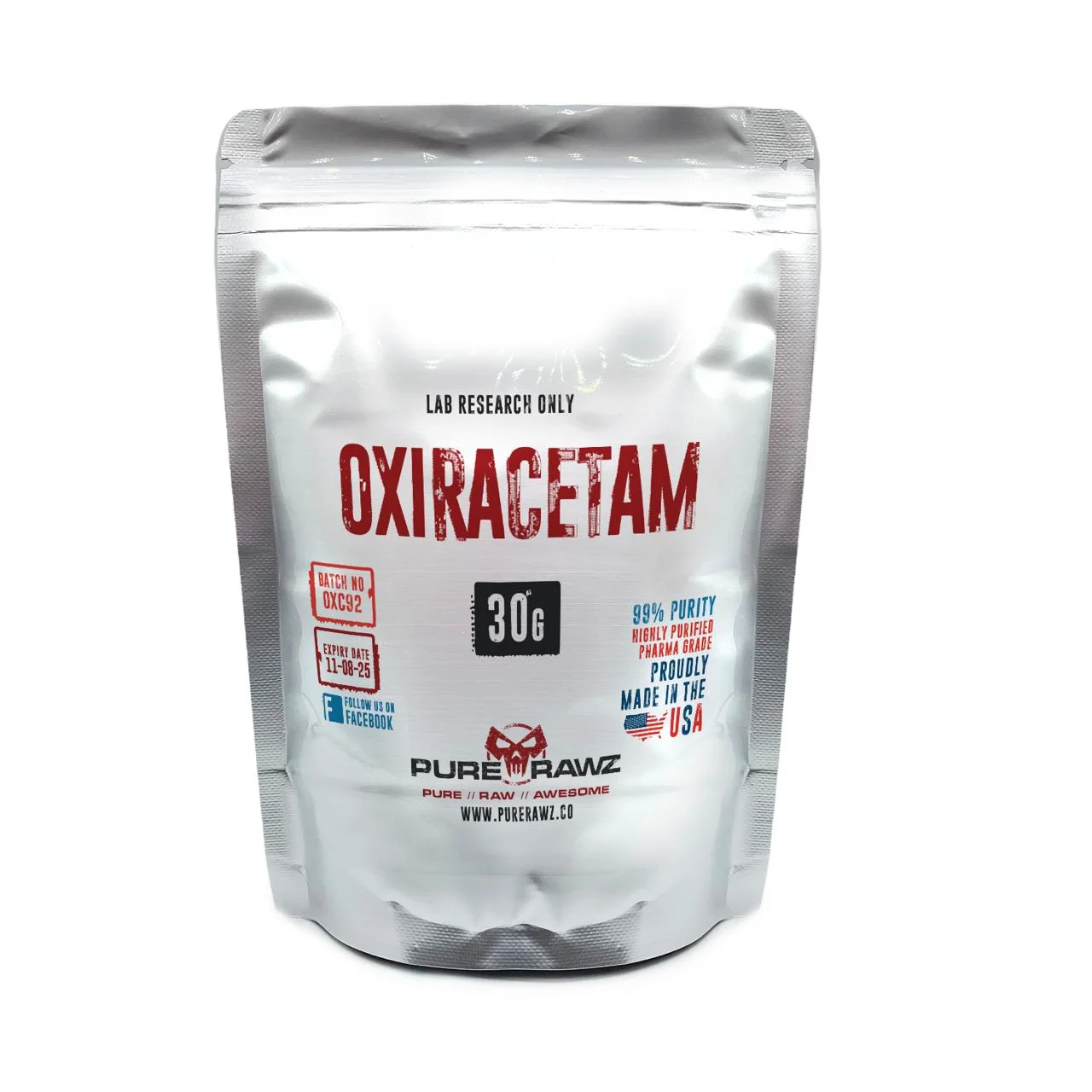
Featured Nootropic

Oxiracetam

Although its exact working mechanism remains unknown, Oxiracetam has been shown to:

  • Positively modulate AMPA-sensitive glutamate receptors in neurons
  • Stimulate the release of acetylcholine in the brain
  • Inhibit pre-programmed cell apoptosis (death) in neurons
  • Stimulate the production of cellular energy, such as glucose
  • Increases density of 1,4-dihydropyridine receptors in the cerebral cortex
Learn More About Oxiracetam
Oxiracetam supplement

While TBI and Alzheimer's are very different conditions, both involve microglial activation, cytokine cascades, and excitotoxic stress. The oxiracetam anti-inflammatory brain effects that look promising in amyloid beta models could also be relevant in post injury neuroinflammation, strengthening the broader argument that oxiracetam acts as a general neuroprotective agent rather than an Alzheimer's specific drug.

For us, this reinforces the idea that oxiracetam's role in Alzheimer's care is likely as a supportive agent addressing neuroinflammatory and oxidative stress themes that are shared across many brain injuries and diseases.

Legal, Regulatory, And Practical Access Issues For Alzheimer's Patients

Regulation of oxiracetam varies widely by country. In some European nations it is a prescription medicine for cognitive decline, while in other regions it is treated as an unapproved research substance or falls into a gray zone. For families considering oxiracetam for Alzheimer's, this variability directly affects access and safety oversight.

In jurisdictions where oxiracetam is not approved, importing it or using it without medical supervision adds legal and clinical risk. Products may lack quality control, accurate labeling, or consistent dosing, which is especially problematic when working with vulnerable older adults.

We generally advise that any consideration of oxiracetam for Alzheimer's should go through the treating physician, who can interpret local regulations, monitor for interactions, and ensure that established Alzheimer's treatments are not displaced by unproven options. Ethical use means balancing hope for neuroprotection with respect for evidence and patient safety.

Quality sourcing, batch testing, and conservative dosing are essential if oxiracetam is used at all. These practical factors often matter as much as the mechanistic science when it comes to real outcomes in Alzheimer's care.

Costs, Value, And Setting Realistic Expectations

Although our primary focus for Alzheimer's is safety and evidence, cost and value also matter for families. Oxiracetam products aimed at cognitive enhancement often sit in a premium price bracket. For example, some advanced cognitive formulas on the market retail at around $79 per bottle in related product lines.

When we compare this cost to established Alzheimer's medications, caregiver support, and other therapies, oxiracetam is usually a secondary expense. The key question becomes whether the potential anti inflammatory and neuroprotective benefits justify the added financial and management burden, especially when high level evidence in AD is still limited.

We encourage families to think of oxiracetam for Alzheimer's as part of an "optional adjunct" tier of interventions. First priority always goes to:

Core Medications

Core Alzheimer's drugs with solid outcome data.

Risk Control

Vascular and metabolic risk control.

Cognitive Activity

Structured cognitive, physical, and social activity.

Support Systems

Caregiver education and support systems.

Only once these foundations are in place does it make sense to discuss higher cost, mechanistically promising but clinically uncertain additions like oxiracetam. When expectations are realistic and oversight is strong, some families feel the potential added neuroprotection is worth exploring.

Conclusion

Oxiracetam sits at an interesting intersection between old dementia symptom trials and new mechanistic science. Clinically, it has not proven itself as an effective monotherapy for Alzheimer's, particularly in rigorous AD specific trials where cognitive outcomes were unchanged versus placebo.

At the same time, in vitro work showing reduced amyloid beta induced microglial activation, lower inflammatory cytokines, and protection of neurons from inflammatory toxicity supports a credible role for oxiracetam neuroprotection. Its oxiracetam anti-inflammatory brain actions, especially in the context of oxiracetam amyloid beta models, align with modern views of Alzheimer's as an inflammatory, not just amyloid, disease.

For now, we position oxiracetam as a potential adjunct in alternative treatments for Alzheimer's disease, to be considered only under medical supervision, and never as a replacement for established therapies. Families and clinicians who choose to use it should do so with cautious dosing, clear goals, and an understanding that evidence in Alzheimer's remains limited and mixed.

As research continues to explore anti inflammatory and microglia focused strategies in Alzheimer's, oxiracetam's mechanistic profile keeps it in the conversation. Our role is to present the data honestly so that you can make informed, balanced decisions about whether it belongs in your or your loved one's care plan.