Bromantane typically takes 7-10 days to reach full therapeutic effect. While some acute effects begin within 1.5-2 hours, the compound works through enzyme upregulation—a process that builds dopamine-producing machinery rather than releasing existing neurotransmitters. This construction takes time but produces effects that persist for weeks after discontinuation, unlike traditional stimulants that end when the drug clears your system.
Get pharmaceutical-grade Bromantane from our trusted research partner. Third-party tested for purity and potency. Ships discreetly with fast delivery.
Third-party lab verified for quality assurance
Discreet packaging with tracking included
Risk-free purchase with satisfaction guarantee
Knowledgeable team available for questions
Secure checkout • Ships within 24 hours
Why do most people think bromantane isn't working after day one? Modern stimulant culture has trained us to expect immediate, unmistakable effects from cognitive enhancers. Consider the compounds most people have experience with: caffeine reaches peak blood concentration within 30-60 minutes, producing obvious alertness through adenosine receptor blockade. Adderall kicks in within 30-60 minutes, forcing dopamine release from storage vesicles to create pronounced focus. Modafinil takes 1-2 hours to reach full effect, inhibiting dopamine reuptake to maintain wakefulness.
What do these compounds have in common? They all manipulate your brain's existing neurotransmitter supplies. They're withdrawing from an account that's already funded. The result is a clear, immediate change in how you feel. This creates a mental model where "working" equals "feeling something obvious within an hour or two." But that expectation becomes a trap when applied to compounds that work through different mechanisms.
| Compound | Time to Feel Effects | Why You Feel It |
|---|---|---|
| Caffeine | 30-60 minutes | Adenosine receptor blockade |
| Adderall | 30-60 minutes | Forced dopamine release from vesicles |
| Modafinil | 1-2 hours | Dopamine reuptake inhibition |
| Bromantane | 3-10 days | Enzyme gene expression changes |
Why doesn't bromantane feel like other stimulants? Because bromantane works through enzyme upregulation—a fundamentally different mechanism than compounds like caffeine, amphetamines, or modafinil. Traditional stimulants force the release of existing dopamine or block its reuptake. They flip the switch on neurotransmitters already in your system. Bromantane doesn't flip switches. It builds new machinery.
Why does "feeling something" become the standard? The fast-acting nature of traditional stimulants creates a clear cause-and-effect relationship. You take the pill, you feel different, therefore it's working. This feedback loop is satisfying and easy to understand. But this expectation becomes a trap when applied to compounds that work through different mechanisms. Taking a vitamin D supplement doesn't make you feel sunny within an hour, does it? Starting a meditation practice doesn't produce immediate calm. Some interventions work on longer timescales—and bromantane is one of them.
The absence of an immediate "hit" doesn't mean failure. It means you're dealing with a fundamentally different type of compound.
What's actually happening in the first three days? Bromantane operates on two distinct timelines, and confusing them is the source of most user frustration. The acute timeline (what happens immediately) shows stimulant effects beginning gradually within 1.5-2 hours of oral administration. Peak plasma concentration occurs at roughly 2.75 hours in women and 4 hours in men. These acute effects last 8-12 hours—but they're subtle. A mild increase in alertness, perhaps slightly reduced anxiety. Nothing dramatic.
Like construction scaffolding, enzyme upregulation builds invisible infrastructure that takes days to complete
But what about the therapeutic timeline? This is the one that actually matters for most users. Days 1-3 see initial enzyme activation and gene expression changes begin. Days 3-7 bring measurable increases in dopamine synthesis capacity that accumulate. Days 7-14 reveal full therapeutic effects manifesting. The Russian clinical literature notes that "therapeutic effects of bromantane in asthenia are said to onset within 1-3 days," but this refers to initial symptom improvement in severely fatigued patients. For healthy individuals seeking cognitive enhancement, the full effect profile typically requires 7-10 days to emerge.
How does the mechanism actually differ from stimulants? Think of traditional stimulants like flipping existing light switches—the wiring and bulbs are already installed, you just turn them on. Bromantane, by contrast, is more like building new power generators. The construction crews (protein synthesis machinery) need time to assemble the factories (functional enzymes) that will eventually produce more electricity (dopamine). You can't rush construction by demanding the lights turn on immediately. For more context on how different nootropics work on different timescales, timing is everything in cognitive enhancement.
Where exactly does bromantane diverge from traditional stimulants? Rather than releasing stored dopamine or blocking its reuptake, bromantane activates the gene expression of two critical enzymes in the dopamine synthesis pathway: Tyrosine Hydroxylase (TH)—the rate-limiting enzyme that converts L-Tyrosine into L-DOPA—and Aromatic L-amino acid decarboxylase (AADC)—the enzyme that converts L-DOPA into dopamine. Research shows that a single dose of bromantane produces a 2-2.5 fold increase in TH expression in the rat hypothalamus within 1.5-2 hours post-administration.
What's actually happening at the cellular level during those first few days? Bromantane upregulates tyrosine hydroxylase (TH) and aromatic L-amino acid decarboxylase (AADC)—the rate-limiting enzymes in dopamine synthesis. But upregulation isn't instant. It requires gene expression changes, protein synthesis, and cellular trafficking to get those new enzymes to the right locations in dopaminergic neurons. This biological construction project takes time. Understanding how nootropics work at the molecular level helps explain why some compounds produce immediate effects while others require patience. Research on enzyme kinetics demonstrates that protein synthesis and cellular trafficking are rate-limiting steps in upregulation.
Why doesn't gene expression equal instant effects? That 2-2.5 fold increase sounds fast—but gene expression is just the first step. The cell must then translate that mRNA into functional proteins (the actual enzymes), modify those proteins post-translationally, and traffic them to the correct cellular locations. Each step adds hours or days to the timeline. This is fundamental biochemistry, not a flaw in the compound. Understanding gene expression and protein synthesis pathways helps explain why enzyme upregulation requires days rather than minutes.
You take bromantane orally
Gene expression signals activate (blueprints are approved)
Protein synthesis begins (construction crews start building)
Functional enzymes accumulate (factories come online one by one)
Full dopamine production capacity achieved (full industrial operation)
Why should you care about enzyme mechanisms? This is why you don't "feel" bromantane the way you feel caffeine. Caffeine flips an existing switch. Bromantane builds new switches—and construction takes time. The compound isn't broken or underdosed; it's doing exactly what it's designed to do. The absence of immediate sensation is evidence that the mechanism is working correctly. If you're interested in other compounds that work through unique mechanisms, noopept's neuroprotective effects also build gradually rather than hitting immediately.
Key insight: Traditional stimulants manipulate existing neurotransmitters (withdrawal from a funded account). Bromantane increases your capacity to produce neurotransmitters (building a bigger account with higher deposits).
What suddenly changes around day 7-10? The accumulated TH and AADC enzymes reach concentrations sufficient to meaningfully increase your brain's dopamine synthesis capacity. Simultaneously, bromantane's GABAergic modulation effects—which provide the anxiolytic component—have had time to compound. This is when users typically begin reporting the characteristic bromantane experience: "calm motivation" that doesn't feel forced, reduced anxiety without sedation, sustainable energy that doesn't crash, and easier task initiation—things that felt effortful now feel manageable.

What does the clinical evidence actually show? The 728-patient Russian clinical trial provides important context here. Patients with asthenia (chronic fatigue) received 50-100mg of bromantane daily for 28 days. The study found that 90.8% showed marked or moderate improvement, with benefits observed as early as day 3 in some patients. But here's the critical finding: therapeutic benefits persisted for one month after discontinuation of the drug.
Why does persistence matter so much? This persistence is impossible if bromantane simply released existing dopamine. The effects would end when the drug cleared the system, just like caffeine or Adderall. The fact that benefits continue for weeks after stopping proves that bromantane produces structural neurochemical changes—specifically, the upregulated enzymes that continue synthesising dopamine long after the compound itself is gone. This is fundamentally different from every other cognitive enhancer most people have tried.
What does the real-world experience look like? Forum discussions on Reddit and Longecity reveal consistent patterns in the bromantane experience. The common early-days report goes something like: "First time was about 60mg, took it orally and didn't notice anything. Next two times I tried it sublingually at about 20mg and I think I noticed a slight increase in mental energy but not much." Users are underwhelmed and sceptical. But then the day 7-10 shift happens, and reports change: "After 3 days of bromantane use: Happy to do my work and not overwhelmed by the massive amount of work I have. Everything just seems to fall into place, and my depression is gone."
"I don't feel anything. Is this stuff even real?"
"Maybe slight energy? Hard to tell if it's placebo..."
"Oh. Everything just... works. I'm calm but motivated."
How do users describe the final realisation? Many report a retrospective realisation: "I only realised it was working when I stopped and noticed the difference. The effect is subtle—not a 'high,' more like being a better version of myself." Users describe bromantane as producing "calm drive" that makes tedious tasks tolerable and reduces social anxiety. The experience is frequently compared to "the Real Modafinil" in terms of wakefulness, but without the irritability or stimulant edge. The confusion arises because users are looking for the wrong signal. They're waiting for an Adderall-style "on switch" when bromantane produces something closer to a gradual thermostat adjustment. By the time you notice the room temperature has changed, the heating system has been running for a while. If you're exploring cognitive enhancement options, understanding how compounds like oxiracetam work differently can help set proper expectations.
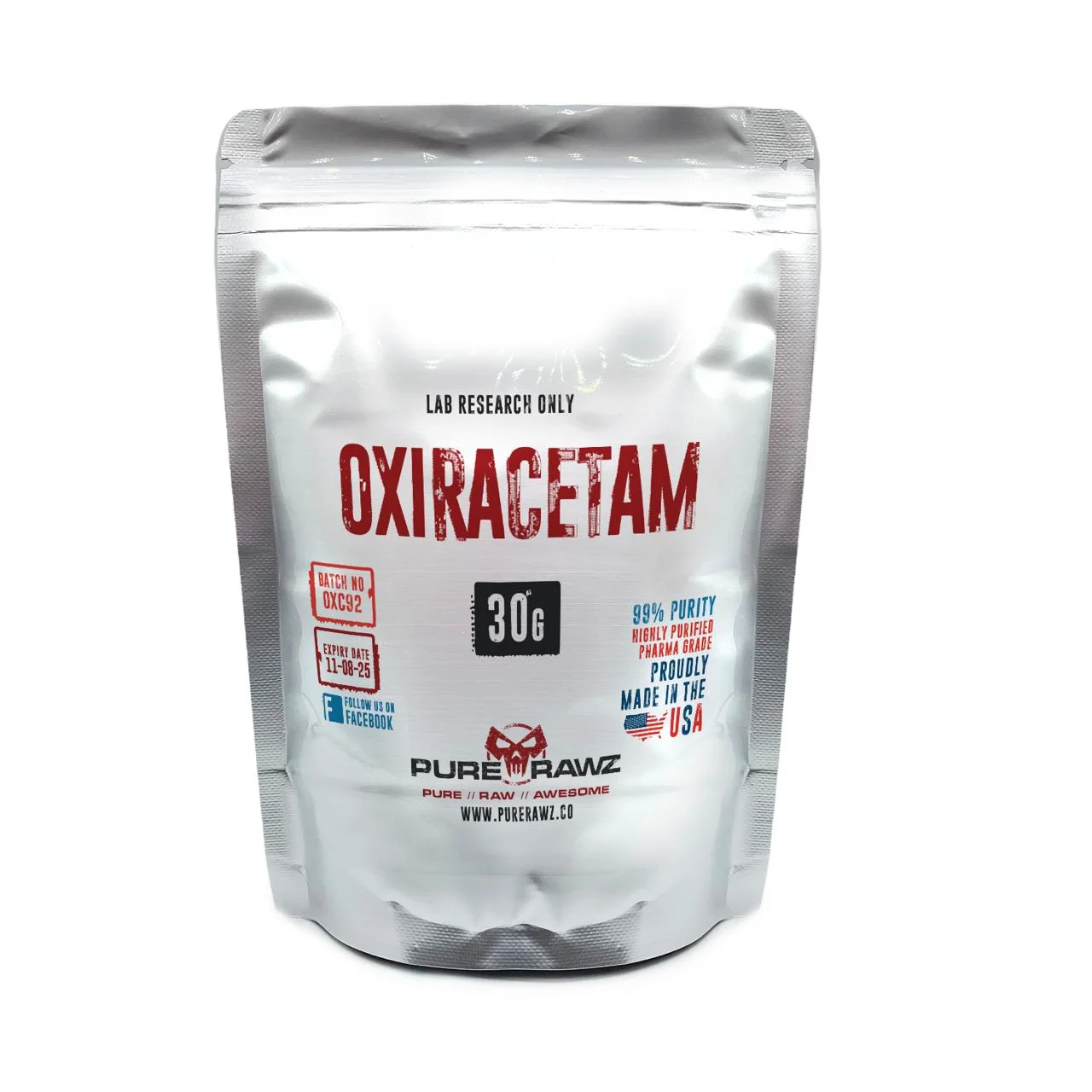
Explore other evidence-based cognitive enhancers with unique mechanisms of action
Racetam family nootropic for logical thinking, verbal fluency, and memory consolidation
Mitochondrial enhancer supporting cellular energy production and neuroprotection
Fast-acting peptide for focus, memory, and neuroprotective effects at low doses
Next-generation modafinil analogue with enhanced potency and wakefulness effects
Research compounds: These nootropics are for research purposes. Always consult a healthcare professional before use.
What negative effects should you expect from bromantane? One of the most underappreciated aspects of bromantane is what you don't experience. No jitters—this means the GABAergic modulation is working, balancing the dopaminergic stimulation. No crash—this means no dopamine depletion is occurring; you're not borrowing against future reserves. No tolerance escalation—this means the mechanism (enzyme upregulation) doesn't trigger the same compensatory downregulation as receptor manipulation. No withdrawal—the 728-patient study found no withdrawal symptoms after 28 days of daily use.
Why does the absence of negatives feel like nothing? For many users, the absence of negative effects is the effect. If you've been trapped in caffeine cycles (drink coffee → crash → drink more coffee → build tolerance → need more coffee), the experience of stable, sustainable energy without a corresponding low can feel like... nothing. Because you're waiting for the familiar pattern, and it doesn't come. Your brain has been conditioned to associate "working" with a spike-and-crash cycle. Bromantane breaks that pattern completely.
Example: caffeine with L-theanine
Example: Bromantane
What should you be tracking instead of waiting for a "feeling"? Objective metrics reveal bromantane's effects more reliably than subjective assessments. Track hours of focused work completed without mental fatigue. Monitor anxiety levels in situations that typically trigger stress responses. Note energy levels at 4 PM when afternoon crashes normally occur. Record sleep quality and morning alertness. Document motivation to tackle difficult tasks. These concrete data points capture bromantane's therapeutic profile better than vague expectations of feeling "on" or "wired." Learn more about what to monitor and potential side effects to ensure safe nootropic use.
Track actual deep work hours (not just "time at desk"). Compare Day 1-3 average vs Day 10-14 average.
Rate 1-10 each day during a consistent stressor (e.g., morning meetings, deadline pressure).
When caffeine users typically crash. Rate 1-10. Track whether you need additional stimulants.
How much resistance do you feel toward beginning work? Track minutes of procrastination before starting.
Should improve or stay stable, not worsen (unless dosing too late). Track hours slept and subjective rest.
Pro tip: Start a simple daily log on Day 1. Rate the same metrics at the same time each day. Compare your Day 1-3 averages to your Day 10-14 averages. The difference often reveals what you couldn't "feel" in the moment.
What factors can mask the effects? Several factors can make bromantane's effects harder to recognise. If you're already dopamine-depleted from chronic stimulant use, the gradual increase feels like "returning to normal" rather than enhancement. You might not recognise baseline as an improvement because you forgot what baseline felt like. If you're naturally high-strung, the anxiolytic effect can mask the stimulant effect—you feel calmer but attribute that to circumstance rather than the compound. If you're conditioned by stimulant "hits," the smooth, gradual curve of enzyme upregulation feels like nothing compared to the sharp spike of amphetamine-style stimulation. If you're taking it too late in the day, mild insomnia from late dosing can counteract the benefits. Bromantane should be taken in the morning to avoid sleep disruption.
Why does bromantane behave so differently from other cognitive enhancers? This is where bromantane's mechanism produces genuinely unusual results. With traditional stimulants, effects end when the drug clears your system: caffeine's half-life is 5-6 hours, effects are gone within a day of stopping. Adderall's effects end within hours of the last dose (often followed by rebound fatigue). Modafinil clears within 1-2 days. But bromantane is fundamentally different.
Bromantane creates structural changes in brain chemistry that persist long after the compound clears
What makes the persistence possible? The 728-patient Russian study found that therapeutic benefits were "still present one month after discontinuation of the drug." This happens because bromantane doesn't just temporarily alter your neurochemistry—it changes the machinery that produces your neurochemistry. The upregulated TH and AADC enzymes don't disappear the moment bromantane clears your bloodstream. Enzymes have their own half-lives measured in days to weeks, and they continue doing their job (synthesising dopamine) until they're naturally degraded and replaced. This phenomenon of enzyme persistence and turnover is well-documented in pharmacological literature.
| Compound | Effects End | Mechanism |
|---|---|---|
| Caffeine | Within 24 hours | Chemical (adenosine blockade) |
| Adderall | Within hours | Chemical (neurotransmitter release) |
| Modafinil | 1-2 days | Chemical (reuptake inhibition) |
| Bromantane | 2-4+ weeks | Structural (enzyme upregulation) |
What does this persistence actually prove? This is evidence of what researchers might call a "neurochemical reset"—your brain's dopamine production capacity has been structurally enhanced, not just temporarily boosted. It's the difference between borrowing money (temporary) and building a factory that generates income (structural). The factory keeps producing even after the builder has left. This fundamentally changes how you should think about cycling and protocol design.
How should you approach bromantane cycles? Based on the clinical evidence, cycling bromantane makes more sense than continuous indefinite use. The evidence-based protocol suggests a 28-day treatment course (matching the Russian clinical trial), followed by 28-60 days off between cycles. During the off period, reassess whether another cycle is needed based on how you feel. Effects may compound over multiple cycles as the "reset" becomes more established. This approach takes advantage of bromantane's persistent effects while minimising any potential long-term unknowns (human studies rarely exceed 8 weeks).
Daily dosing (50-100mg) taken in the morning. Track objective metrics throughout. Full effects typically manifest by day 7-10.
No bromantane. Benefits persist during this time due to enzyme half-lives. Monitor how you feel weeks 2-4 after stopping.
After 28-60 days off, evaluate: Do you need another cycle? Have benefits persisted? Effects may compound over multiple cycles.
What about long-term safety? This cycling approach respects the fact that human studies rarely exceed 8 weeks of continuous use. While the 728-patient trial showed excellent safety over 28 days, we simply don't have robust data on what happens with years of daily use. Cycling allows you to benefit from bromantane's unique mechanism while staying within the evidence base. For those interested in other compounds that may benefit from cycling strategies, understanding how flmodafinil differs from traditional modafinil can inform smarter nootropic protocols.
What should you expect each day of your bromantane cycle? Understanding the complete timeline helps set realistic expectations and prevents premature abandonment. Here's the detailed breakdown of what's happening at each phase, what you might feel, and whether your experience is normal or concerning.
| Phase | Timeframe | What's Happening | What You Might Feel |
|---|---|---|---|
| Acute | Hours 1-12 | Gene expression activation begins; mild dopamine modulation | Subtle alertness, possibly nothing noticeable |
| Early | Days 1-3 | Protein synthesis begins; enzyme construction underway | Some users report mild energy/mood lift; many notice nothing |
| Building | Days 3-7 | Enzyme accumulation accelerates; dopamine synthesis capacity increasing | Gradual improvement in motivation; reduced anxiety beginning to emerge |
| Therapeutic | Days 7-14 | Full enzyme density achieved; GABAergic effects compound | "Calm focus," sustainable energy, easier task initiation |
| Maintenance | Days 14-28 | Optimal neurochemical state maintained | Consistent benefits; normalised baseline |
| Post-Cycle | Days 29-60+ | Enzymes slowly return to baseline over weeks | Benefits persist; gradual return to pre-treatment state |
How do you know if something's wrong versus just taking time? Distinguishing between "this is normal, be patient" and "this is a problem, stop taking this" is crucial. Here's the breakdown of what you should and shouldn't experience.
What should you do if you experience problems? If you experience the latter category, discontinue use and consult a healthcare provider. Bromantane is generally well-tolerated (only 3% of patients in the Russian trial reported side effects), but individual responses vary. Product quality can also be a factor—sourcing from reputable suppliers is crucial with any research compound.
If you've taken bromantane consistently every morning for 14+ days and notice no improvement in any tracked metrics, the compound may not be effective for your particular neurochemistry.
Other possibilities include product quality issues or dosing that's too low. Some users require 100mg rather than 50mg to notice effects. However, most users will see measurable improvement in at least some metrics by day 10-14.
What's the fundamental insight about bromantane? Bromantane represents a fundamentally different approach to cognitive enhancement—one that prioritises sustainable, structural change over immediate gratification. You're not taking a stimulant that makes you feel different for a few hours. You're taking a compound that gradually increases your brain's capacity to produce dopamine naturally. That process takes 7-10 days to reach meaningful levels, but the payoff is effects that persist long after you stop taking it.
When should you choose bromantane over traditional stimulants? If you need immediate results, bromantane isn't the right tool. Traditional stimulants will serve that purpose better (with their corresponding tradeoffs of crashes, tolerance, and depletion). But if you want sustainable cognitive enhancement without the stimulant cycle, bromantane's delayed onset is a feature, not a bug. The wait reflects the mechanism—and the mechanism is what makes the effects last.
Begin with 50-100mg taken in the morning. Don't exceed this during your first week regardless of whether you "feel" anything. For comprehensive guidance on proper dosing, check our complete nootropic dosage guide.
Rather than waiting for subjective "feelings." Hours worked, anxiety levels, 4 PM energy, task initiation ease.
Day 1-3 baseline to Day 10-14 measurements. The difference reveals what you couldn't feel in the moment.
With equivalent off periods (28-60 days). Reassess need for another cycle based on how you feel during the break.
Who gets the most from bromantane? The users who get the most from bromantane are those who understand what they're actually taking—not an instant focus pill, but an enzyme upregulator that gradually expands their neurochemical capacity. Once you adjust your expectations to match the mechanism, the timeline makes perfect sense. The 7-10 day wait isn't a flaw in the compound; it's evidence that the construction process is working as designed.
Traditional stimulants give you a loan against your future neurochemical reserves. Bromantane builds infrastructure that generates sustained returns.
The construction takes time, but the results are fundamentally different: no crashes, no tolerance escalation, no withdrawal, and effects that persist for weeks after you stop.
What if bromantane isn't working for you? If you've given it a proper 14-day trial with consistent morning dosing and objective tracking, and you're seeing no improvement, bromantane may not be the right compound for your neurochemistry. That's perfectly fine. Not every intervention works for every person. The important thing is that you approached it with realistic expectations and proper methodology. If you're exploring other options for cognitive enhancement, understanding the mechanisms of compounds like methylene blue can help you build a more comprehensive nootropic strategy.
Source high-quality bromantane from verified suppliers. Remember: the compound only works if you give it the 7-10 days it needs to build enzyme infrastructure.
View ProductsDisclaimer: This article is for educational purposes only and does not constitute medical advice. Always consult with a qualified healthcare professional before starting any supplement regimen, especially if you have pre-existing health conditions or are taking medications.