Soviet Actoprotector Science

Bromantane vs Traditional Stimulants: Why Soviet Scientists Chose a Different Path

Millions rely on caffeine and prescription stimulants just to get through the day—yet in one large Russian trial of bromantane for chronic fatigue, 90.8% of 728 patients responded positively and many kept their benefits for a month after stopping.

That contrast captures the "stimulant paradox": most everyday stimulants borrow tomorrow's energy, while bromantane aims to expand the system itself through enzyme upregulation rather than brute-force dopamine release.

Dopamine molecule formula and 3D diagram. 3D illustration.
90.8%
Response Rate

Clinical trial: 728 asthenia patients
Essential Information

Key Takeaways

Everything you need to know about bromantane versus traditional stimulants in one quick reference

Question Answer
What is bromantane and how is it different from normal stimulants? Bromantane is a Soviet-developed actoprotector that increases the brain's dopamine production capacity by upregulating key enzymes, instead of forcing a surge of existing dopamine like caffeine, amphetamines, or modafinil. For a deeper technical overview, see this detailed bromantane cognitive enhancer guide.
Why do caffeine and Adderall lead to crashes and tolerance? They rely on blocking receptors or forcing dopamine release, which can cause receptor downregulation and neurotransmitter depletion over time. This often leads to stronger tolerance, a noticeable crash, and dependence on repeat dosing.
Does bromantane cause the same crash as caffeine or Adderall? Clinical and experimental data suggest bromantane produces minimal crash and low withdrawal, with some benefits persisting up to a month after a 28‑day course in asthenia patients.
Is bromantane a good caffeine crash alternative? For some people, yes. It's used as a non-depleting stimulant-style option that supports energy, motivation, and mental performance without the same jitteriness or sharp comedown seen with high-dose caffeine.
Is bromantane legal and is it allowed in sports? Bromantane is not FDA-approved and lives in a grey area in many Western countries. It is banned by WADA, so it is not suitable for tested athletes.
Who might benefit most from bromantane's mechanism? People stuck in stimulant tolerance cycles, those prone to anxiety from classic stimulants, and individuals looking for more sustainable performance support rather than repeated short-lived dopamine spikes.
Are there safety or interaction concerns? Yes. Bromantane induces the CYP3A4 enzyme, which can lower blood levels of many medications (including some SSRIs and hormonal contraceptives). Careful medical supervision is essential.
Section 1

The Traditional Stimulant Problem: Why Your Brain Keeps Crashing

Most people meet stimulants early: coffee in school, energy drinks at work, and, for some, prescription amphetamines or modafinil. Initially they feel like magic—more focus, faster thinking, less fatigue. But the longer you use them, the more you notice the cost: tolerance, anxiety, poor sleep, and that familiar crash.

This isn't just "psychological dependence"; it's grounded in how these substances move neurotransmitters around and how your brain adapts. To understand why bromantane was designed differently, it helps to see what traditional stimulants actually do under the hood.

How Caffeine, Adderall, and Modafinil Actually Work: The Depletion Mechanism

Caffeine

Primarily works by blocking adenosine receptors. Adenosine builds up as you burn energy and normally signals the brain to slow down. When caffeine blocks that signal, you feel more alert. The problem is adaptation: your brain responds by creating more adenosine receptors, so over time you need more caffeine for the same effect.

Amphetamines (e.g., Adderall)

Have a more aggressive mechanism. They enter nerve terminals and force dopamine (and norepinephrine) out of storage vesicles into the synapse. This feels powerful—motivation, drive, and euphoria—but it literally drains your "warehouse" of stored dopamine. Afterward, your brain has less in reserve, leading to a pronounced crash.

Modafinil

Is somewhat milder but still uses a "depletion-flavored" approach. It inhibits dopamine reuptake, keeping existing dopamine in the synapse for longer. Over time, receptors can downregulate or desensitise, and the system again adapts by reducing its responsiveness.

Stimulant Primary Action Result Over Time
Caffeine Adenosine receptor blockade Adenosine receptor upregulation → need more for same effect
Amphetamines (Adderall) Forced dopamine release from vesicles Dopamine vesicle depletion → strong crash and rapid tolerance
Modafinil Dopamine reuptake inhibition Receptor desensitisation/downregulation → diminishing returns
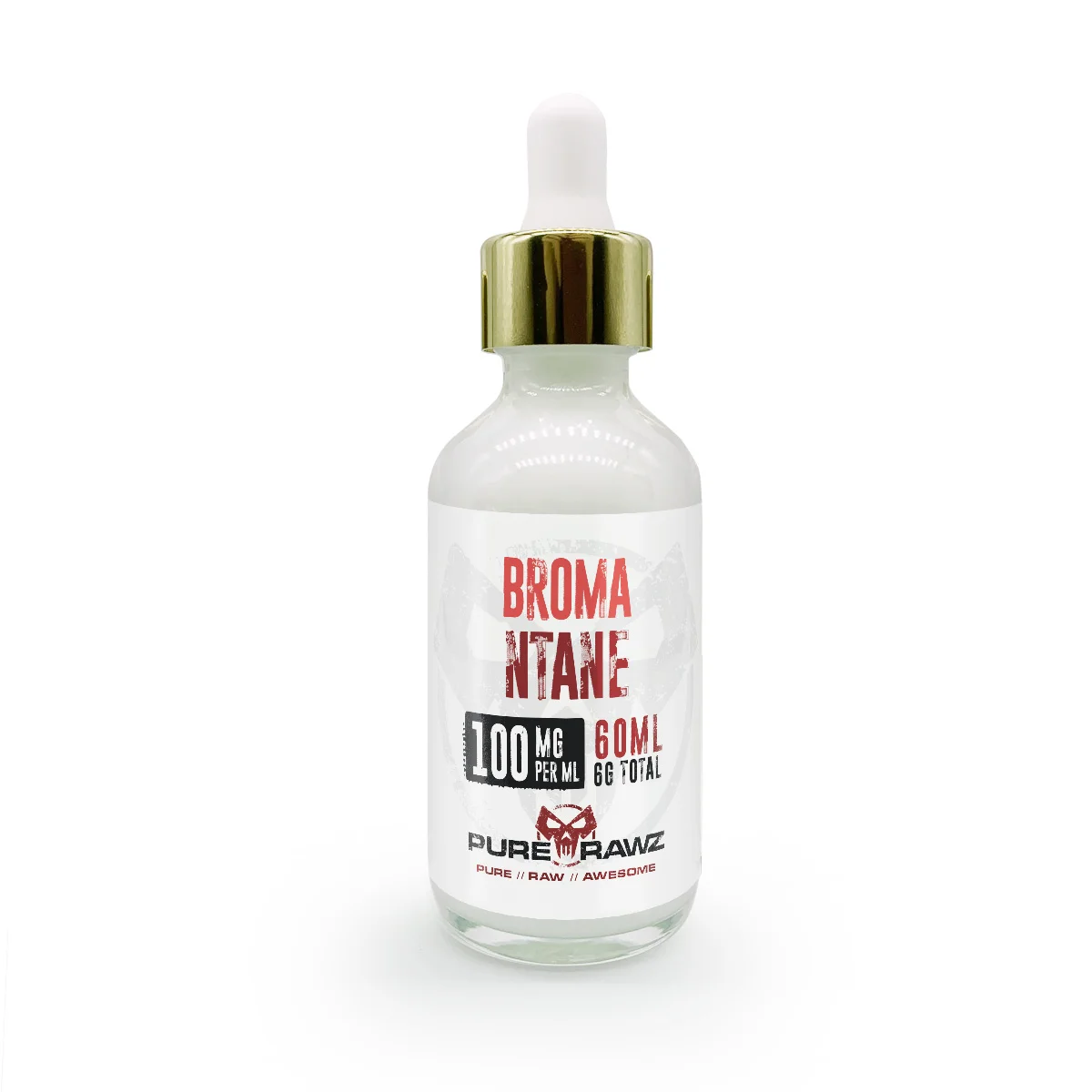
Bromantane supplement
99% Pure • USA Made

Break Free from the Stimulant Trap

Experience sustainable cognitive enhancement without the crash, tolerance, or neurochemical debt

Enhanced stress resistance & improved work capacity
Combat fatigue & fatigue-related syndromes
Peak cognitive performance under stress
Third-party tested for purity & quality
Fast & reliable shipping from USA
Best Place to Buy Bromantane?

Secure checkout • Money-back guarantee

The Neurochemical Debt Cycle: Borrow Now, Pay Later

All three of these approaches share a common pattern: they use what's already there, harder and faster. Your brain's dopamine and receptor systems adapt by becoming less sensitive or lowering baseline availability. This is what drives stimulant tolerance and the need for escalating doses.

When the drug wears off, you experience a rebound in the opposite direction: fatigue, low mood, brain fog, and sometimes irritability or depression. This "neurochemical debt" fuels the cycle: you feel bad → you reach for more stimulant → the underlying depletion worsens. For some people, this spiral becomes a daily reality.

The Downward Spiral

  1. 1 Take stimulant → temporary boost
  2. 2 Brain adapts → receptors downregulate
  3. 3 Tolerance builds → need higher doses
  4. 4 Crash worsens → dependence increases
  5. 5 Return to step 1 with depleted baseline

Clinical Evidence

Researchers have documented tolerance even in prescription use—for example, in ADHD treatment, some patients show clear attenuation of response over time, requiring dosage adjustments or drug holidays. For many, the search is now on for a caffeine crash alternative that doesn't rely on constant dopamine depletion.

Section 2

The Soviet Military's Different Question: Expand Capacity, Don't Just Push Harder

In the 1980s, Soviet researchers faced a problem that Red Bull couldn't fix: they needed soldiers, pilots, and cosmonauts to perform under extreme stress, heat, and fatigue without the rebound crash and cardiovascular strain that came with standard stimulants.

The Soviet Challenge

Classic amphetamines could boost vigilance, but they also raised anxiety, impaired fine motor control, and disrupted recovery. The military needed something fundamentally different.

Instead of asking "How do we keep people awake longer?" they asked: "What if we can increase the organism's underlying capacity to work and adapt?"

Problems with Traditional Stimulants

  • Severe rebound crashes
  • Cardiovascular strain
  • Increased anxiety and agitation
  • Impaired fine motor control
  • Disrupted recovery

Actoprotector Goals

  • Sustainable performance enhancement
  • Minimal cardiovascular impact
  • Reduced anxiety
  • Enhanced recovery support
  • Long-lasting effects (24+ hours)

The Actoprotector Concept: Sustainable Performance Support

An actoprotector is sometimes described as a "synthetic adaptogen." Rather than cranking up metabolism or heart rate, it is designed to enhance the stability and efficiency of performance under stress, without dramatically increasing oxygen consumption or heat production.

Animal Study Results

In animal models, bromantane and related compounds increased physical work capacity significantly—by about 1.3–1.6 times versus phenamine in some experiments—with effects lasting for at least 24 hours. The key was not brute-force stimulation, but improving how effectively the body and brain used resources.

Why Bromantane Was Different From Day One

Bromantane (brand name Ladasten in Russia) came out of this actoprotector research program. The design goals were clear:

Boost Performance

Physical and mental performance under stress without overheating

Avoid Strain

Minimize excessive cardiovascular burden

Support Recovery

Avoid severe rebound and support natural recuperation

Minimize Anxiety

Reduce agitation and promote calm focus

The 1996 Olympics Scandal

By the mid‑1990s, bromantane had caught global attention for the wrong reason: it was implicated in a doping scandal at the 1996 Olympics, leading to its addition to the World Anti-Doping Agency's prohibited list. That event marked the beginning of its life as a "Soviet nootropic" curiosity in the West—but the underlying design principles remain compelling today.

Section 3

Bromantane's Core Mechanism: Building Dopamine Factories Instead of Raiding Warehouses

To grasp why bromantane behaves so differently from caffeine or Adderall, it helps to use a simple analogy. Imagine your brain's dopamine system as a logistics operation with factories that produce dopamine and warehouses that store it.

Traditional Stimulants

Raid the warehouse and ship everything out now. Force release of existing dopamine stores, leading to depletion and crashes.

Depletes existing reserves

Bromantane

Build more factories and improve production capacity. Upregulate enzymes that synthesize dopamine from scratch.

Increases production capacity

Enzyme Upregulation: How Bromantane Increases Dopamine Production Capacity

Dopamine synthesis in the brain depends on a series of enzymatic steps:

1

Tyrosine hydroxylase (TH)

Converts L‑tyrosine into L‑DOPA (rate-limiting step)

2

Aromatic L-amino acid decarboxylase (AADC)

Converts L‑DOPA into dopamine

How Bromantane Works

Preclinical studies suggest that bromantane increases gene expression for both TH and AADC. In other words, it signals your neurons to make more of the enzymes that build dopamine in the first place. Over days of use, this can raise your baseline capacity to produce dopamine, rather than simply pushing existing stores out faster.

Conceptual pathway:
L‑Tyrosine → [TH ↑] → L‑DOPA → [AADC ↑] → Dopamine
Bromantane enhances TH and AADC, increasing dopamine production capacity.

This is why bromantane is often described as a dopamine upregulation nootropic rather than a classic stimulant. Users typically report that effects build over 1–3 days and remain smoother, with less "on/off" feeling than fast-acting psychostimulants. For a deeper dive into nootropic mechanisms and neurochemistry, explore our comprehensive guide.

The GABAergic Balance: Calm Energy Instead of Jittery Stimulation

Most stimulants tilt your nervous system into a fight‑or‑flight state: elevated heart rate, tension, and sometimes outright anxiety. Notably, bromantane's pharmacology also includes action on GABAergic transmission—the main inhibitory system in the brain—and it has been described as having anxiolytic (anxiety-reducing) properties in Russian literature.

This pairing—upregulated dopamine production plus enhanced inhibitory balance—helps explain why many users describe bromantane as "calm focus" or "clean energy" rather than a buzzy high. In EEG studies, bromantane shows a prolonged stimulant profile (two peaks over ~8 hours), but without the same agitation profile typical of amphetamines.

Traditional Stimulants

  • Fight-or-flight activation
  • Elevated heart rate
  • Muscle tension
  • Anxiety and jitteriness

Bromantane Profile

  • Calm, focused state
  • Minimal cardiovascular strain
  • Reduced tension
  • Anxiolytic effects
Did You Know?

In a large multicenter Russian trial of ladasten (bromantane) for asthenia, 728 patients were assessed and 90.8% were classified as responders on the Clinical Global Impression–Improvement (CGI‑I) scale.

Section 4

Bromantane vs Caffeine, Adderall, and Modafinil

When people talk about bromantane, they often want to know how it feels compared to more familiar options. Here's the complete mechanism and experience comparison.

Mechanism Comparison Table: How These Compounds Affect Your Brain

Factor Bromantane Caffeine Amphetamines Modafinil
Primary Action Dopamine enzyme upregulation (TH, AADC) + GABAergic modulation Adenosine receptor blockade Forced dopamine/norepinephrine release Dopamine reuptake inhibition (plus other targets)
Typical Duration ~8–12 hours (two-phase profile) 3–5 hours 4–6 hours 12–15 hours
Anxiety Effect Often reduces anxiety (anxiolytic profile) Can increase jitteriness Frequently increases anxiety and tension Variable; can increase restlessness in some
Tolerance Minimal reported in short Russian trials Moderate (days–weeks) Rapid and often severe Moderate with repeated use
Crash/Comedown Minimal; some report smooth offset Common afternoon slump Severe fatigue, low mood Mild to moderate, especially after high doses
Neuroprotection Signals suggest BDNF/NGF upregulation; still under study Neutral; high doses can be harmful Potential neurotoxicity at abuse doses Generally neutral in standard use
Withdrawal None formally documented in clinical trials Headache, fatigue, irritability Depression, fatigue, sleep changes Mild "flatness" in some users
Dependence Risk Considered low in medical use Low–moderate High Low–moderate

What the Science Shows About Bromantane's Profile

Clinical Trial Results

In the large asthenia trial mentioned earlier, patients received 50–100 mg/day of bromantane for 28 days. Many showed meaningful improvements in fatigue, cognition, and emotional stability.

Benefits often persisted for a month after discontinuation

Safety Profile

Side effects occurred in about 3% of patients, with only 0.8% discontinuing due to adverse events.

Remarkably low side effect rate compared to traditional stimulants

The Key Difference

By contrast, the literature on caffeine and amphetamines repeatedly shows receptor downregulation and tolerance phenomena. Caffeine's dependence profile is so familiar that "caffeine withdrawal" is formally recognised, and amphetamine discontinuation can produce pronounced dysphoria. Bromantane's actoprotector profile—where effects outlast dosing—points toward systemic adaptation rather than simple acute stimulation.

Section 5

Real-World Effects: Bromantane as a Non‑Depleting Stimulant Alternative

From a user's perspective, bromantane is often described as a non-depleting stimulant: increased drive and resilience, but with less emotional volatility and fewer sleep disturbances when timed correctly.

Clinical Use in Russia

Its actoprotector origin makes it appealing to people whose main issue is chronic fatigue rather than acute sleep deprivation. In Russian clinical practice, bromantane (Ladasten) became a standard option for asthenic conditions—states of low energy, reduced stress tolerance, and cognitive dullness.

Target Patient Profile

Many of those patients were not seeking a "high" or heavy stimulation; they wanted normal functioning back. They needed sustainable energy and mental clarity without the rollercoaster of traditional stimulants.

Common User Reports

  • Increased drive and motivation
  • Better stress resilience
  • Less emotional volatility
  • Fewer sleep disturbances

The Persistent Effect Advantage

Because bromantane works at the level of enzyme expression and possibly neurotrophic signaling, its effects are more structural than those of caffeine or amphetamines. In the 28‑day asthenia studies, improvements often continued for weeks after stopping, suggesting the brain had adjusted its baseline functioning.

Compare to Caffeine

With caffeine, missing a day can produce headaches within 24–48 hours. With bromantane, the goal is more like a "neurochemical reset" over a month of use, rather than a daily artificial boost that you feel missing the second you skip it. Learn about the caffeine-theanine stack as another alternative for caffeine users seeking smoother energy.

Who Might Benefit Most from Bromantane's Approach?

Good Candidates

  • Experience diminishing returns from high caffeine intake
  • Get anxiety or heart palpitations from traditional stimulants
  • Want sustained work capacity vs. short-lived buzzes
  • Intent on reducing stimulant dependency

Poor Candidates

  • On medications metabolised by CYP3A4
  • Need instant dramatic effects
  • Athletes subject to WADA doping controls
  • Unwilling to commit to multi-week protocol
Section 6

Clinical Dosing Patterns and Onset: What Trials Suggest

Most of what we know about bromantane dosing comes from Russian clinical work in asthenia and related conditions. While this doesn't replace medical guidance, it does give some structure to how the drug has been used in practice.

Standard Protocol

Dosage

50–100 mg once daily

Duration

28 days (standard course)

Onset

1–3 days for noticeable effects

Timing, Half-Life, and Sleep

Pharmacokinetic data and EEG studies suggest bromantane has a long-acting profile with two peaks of CNS activity and an overall window of about 8–12 hours.

Timing matters: Taking bromantane too late in the day increases the chance of sleep-onset difficulty. Morning or early-afternoon use tends to minimize this risk.

Effect Timeline

1 Days 1-3: Initial effects begin
2 Days 4-14: Effects build progressively
3 Days 15-28: Peak benefits reached
4 After stopping: Benefits persist weeks

Safety Signals From Clinical Use

3%

Adverse Events

Across large trials

0.8%

Discontinuation

Due to side effects

Most Common Issue

Sleep-related (timing dependent)

Important Note

These were specific asthenic populations, and long-term, high-dose data are limited. Bromantane has not undergone the same rigorous multi-phase Western regulatory evaluation as licensed antidepressants or stimulants. For comprehensive dosing guidance across different nootropics, see our nootropic dosage protocol reference.

Section 7

Legal Status, Doping Rules, and Regulatory Grey Zones

Bromantane's journey from Soviet lab to global "research chemical" has left it in a legally ambiguous position in many countries. It is approved as a medicine in parts of Eastern Europe and Russia, but not in North America or most of Western Europe.

Russia & Eastern Europe

Approved medication (Ladasten)

United States

Not scheduled, not FDA-approved

Most Western Countries

Grey area / research chemical

U.S. Legal Status (As of August 2024)

Bromantane was reported as not scheduled in the United States, meaning it isn't formally placed in the Controlled Substances Act schedules. However, that does not make it an approved medication.

Instead, it tends to be sold online as a "research chemical," often without consistent quality control. This creates risks around product purity, dosing accuracy, and contamination.

Anti-Doping Status: Crucial for Athletes

The sports world treats bromantane very differently from most over‑the‑counter stimulants. Since the 1996 Olympic scandal, it has been classified as a prohibited stimulant.

WADA Status

Bromantan (bromantane) is listed as a non-specified stimulant (S6.A) on the World Anti-Doping Agency Prohibited List for 2025, making it banned for all in-competition use.

Critical Warning for Athletes

For anyone subject to testing by WADA-affiliated organisations, this makes bromantane off-limits.

Even accidental ingestion from an unlabelled product could lead to sanctions, so competitive athletes should avoid it entirely. The consequences include multi-year bans, stripped medals, and career-ending penalties.

Emerging Global Presence

Forensic Detection

Bromantane has also begun to appear in forensic toxicology screens. For example, it was first detected in a U.S. toxicology sample from Michigan in late 2023, with confirmation published in 2024, indicating that it has entered real-world substance use patterns beyond formal clinical settings.

New Psychoactive Substance

This emergence places bromantane in the broader context of new psychoactive substances: compounds that sit between medicine, nootropic, and recreational drug markets. That makes independent research and cautious, medically supervised decision‑making even more important.

Section 8

CYP3A4 Induction and Drug Interactions: A Critical Safety Point

One of the most important aspects of bromantane's mechanism of action—beyond dopamine and GABA—is its effect on the CYP3A4 enzyme system in the liver. Bromantane appears to induce CYP3A4, meaning it can increase the activity of this enzyme.

What is CYP3A4?

CYP3A4 is responsible for metabolizing a wide range of drugs. When it's induced, those drugs can be broken down more quickly, reducing their blood levels and clinical effectiveness.

Medications Potentially Affected

Psychiatric Medications

  • Some SSRIs and antidepressants
  • Benzodiazepines
  • Certain sedative-hypnotics

Other Critical Medications

  • Hormonal contraceptives
  • Immunosuppressants
  • Some antiepileptic drugs
  • Cardiovascular medications

Animal Study Evidence

In animal models, bromantane reduced barbiturate sleep time by about a third, which is a classic sign of increased metabolic clearance. Translated into human practice, this means combining bromantane with other medications without medical supervision can be risky, especially where precise dosing is critical.

Why Medical Oversight Matters

The Problem

Because bromantane is not formally approved in many countries, these interactions are not fully mapped out in standard prescribing databases. The risk of dangerous drug interactions is real and poorly documented.

The Solution

If considering bromantane while already taking prescription drugs, consultation with a physician or clinical pharmacist who understands CYP systems is essential before starting.

Clinical Decision Making

In some cases, the safest choice may be to avoid bromantane altogether. In others, careful monitoring and possibly adjusting medication doses might theoretically be considered—but only within a proper clinical framework, not self-experimentation.

Do NOT combine bromantane with other medications without explicit medical guidance. Learn more about nootropic safety and side effects.

Section 9

Bromantane in the Broader Nootropic Landscape

Bromantane now occupies a distinctive niche among cognitive enhancers. It isn't a gentle herb, yet it also isn't a classical psychostimulant. Mechanistically, it shares some features with adaptogens (systemic resilience) and nootropics (cognition, neuroprotection), all wrapped in a synthetic molecule originally designed for military use.

Stacking with Natural Nootropics

People often consider bromantane alongside stacks that include natural nootropics like Lion's Mane (for BDNF/NGF and neuroplasticity) or Bacopa monnieri (for long-term memory and stress resilience).

In thoughtful regimens, bromantane may be used as a time-limited actoprotector course, layered with foundational lifestyle work: sleep, nutrition, and exercise.

Complementary Natural Options

  • Lion's Mane: BDNF/NGF support
  • Bacopa monnieri: Memory & stress
  • Rhodiola: Adaptogenic support
  • L-Tyrosine: Dopamine precursor

Explore our complete natural nootropics guide for alternative approaches to cognitive enhancement.

Strategic Approach

Use bromantane as a time-limited intervention (e.g., 28-day course) combined with sustainable habits and natural nootropics, rather than as a permanent daily stimulant replacement.

Relationship to Other Dopaminergic Compounds

In some communities, bromantane is discussed next to racetams or other synthetic stimulants like phenylpiracetam hydrazide. While each compound has distinct mechanisms, the interesting point is strategic: many users are moving away from chronic, high-dose, depleting stimulants and toward agents that might modulate capacity and neuroplasticity instead of simply forcing output.

Upregulation

Increase production capacity

Neuroplasticity

Support brain adaptation

Neuroprotection

Protect against depletion

Bromantane's Unique Position

Bromantane's unique combination—dopamine enzyme upregulation, potential neurotrophic support, GABAergic modulation, and actoprotector behavior—makes it a logical, if complex, part of that conversation. It represents a fundamentally different approach to cognitive enhancement: building capacity rather than borrowing energy.

Section 10

Limitations of the Evidence and Open Questions

Despite its intriguing profile, bromantane is not a fully understood or universally endorsed solution. Several important limitations should shape how you interpret the data and anecdotal reports.

Evidence Quality

First, much of the clinical evidence comes from Russian studies, many of which are open-label (no placebo control) and published in local journals. There is a lack of large, double-blind, placebo-controlled trials in Western populations, which would provide stronger evidence for efficacy and safety across diverse groups.

What We Still Don't Know

Long-term Safety

What happens with use for months or years instead of 28‑day courses? Extended safety data is lacking.

Drug Interactions

Detailed interaction profiles with modern polypharmacy regimens are not well-documented.

Mechanism Balance

The exact balance of actions on dopamine, serotonin, and GABA systems in humans needs clarification.

Persistent Benefits

Do lasting effects truly reflect neurotrophic changes or longer-lasting pharmacodynamic effects?

Product Quality Concerns

Additionally, as a largely unregulated "research chemical" in many countries, product quality can vary widely. Without strict manufacturing oversight, there is a non-trivial risk of underdosing, adulteration, or contamination when sourcing bromantane from informal vendors.

The Bottom Line

While bromantane's mechanism is theoretically compelling and early clinical data is promising, it remains a partially studied compound with significant gaps in our understanding. Anyone considering it should do so with realistic expectations, medical consultation, and awareness of these limitations.

Conclusion

Choosing Your Approach to Sustainable Energy

Traditional stimulants like caffeine, amphetamines, and modafinil provide fast, noticeable boosts by extracting more from what you already have. They block receptors or force dopamine release, and your brain responds by downregulating sensitivity and depleting reserves—fueling tolerance, crashes, and dependency cycles.

Bromantane takes a fundamentally different path. As an actoprotector and dopamine enzyme upregulator, it aims to expand production capacity, support resilience under stress, and maintain a calmer emotional state via GABAergic modulation.

Traditional Approach

Borrow against tomorrow's energy. Fast results, but with increasing costs: tolerance, crashes, and depletion.

Bromantane Approach

Increase your system's capacity over time. Slower onset, but potentially more sustainable and less depleting.

Clinical Evidence

Clinical data in asthenia suggest robust response rates, low short-term side-effect incidence, and benefits that can outlast a 28‑day course. In the flagship trial, 90.8% of 728 patients were classified as responders, with only 0.8% discontinuing due to adverse events.

That doesn't make bromantane automatically "better" than traditional stimulants. It remains a partially studied, legally complex compound with meaningful interaction risks and no Western regulatory approval.

Who Might Consider Bromantane?

For some, especially those exhausted by the stimulant cycle and seeking a non-depleting approach, its mechanism of action is worth understanding and discussing with a knowledgeable clinician. It may offer a path toward sustainable energy and mental clarity without the rollercoaster of traditional stimulants.

The Real Choice

Ultimately, the choice isn't just bromantane vs stimulants; it's about deciding whether you want to keep borrowing against tomorrow's energy or explore strategies that may increase your system's capacity over time.

Bromantane is one of the clearer case studies in that second category—and a reminder that not all "stimulation" works by pushing harder on the same old levers. Some approaches aim to build new capacity altogether.

Learn More About Cognitive Enhancement