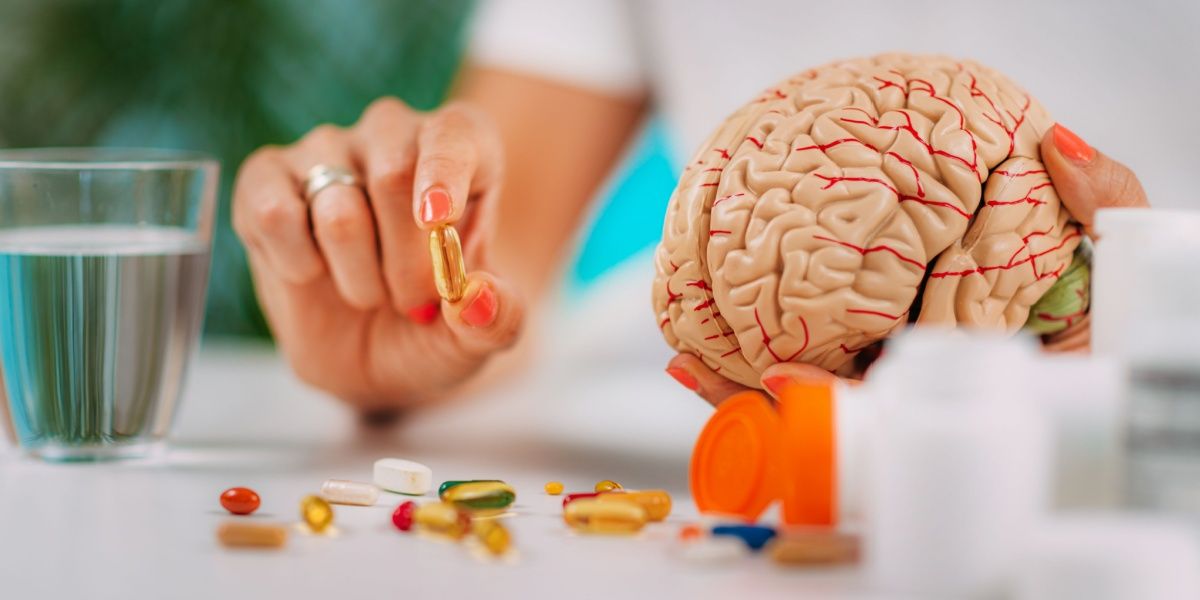
Evidence-Based ADHD Support

Best Nootropics for ADHD Symptoms in 2025

Discover what actually looks promising when searching for natural nootropic support for focus, memory, and emotional balance with ADHD-like difficulties.

Research-backed
Safety-focused
Clinical references
Medicinal capsules on coconut shell, natural medicine, health care
2025
Updated Guide
Key Information

Key Takeaways

Quick answers to the most important questions about nootropics for ADHD symptoms

Question Short Answer
What is the "best" nootropic for ADHD symptoms? There is no single best nootropic. Evidence is modest and mixed. Natural options like omega-3s, Bacopa, saffron, and L-theanine may support attention, mood, or sleep but do not replace medical ADHD treatment. See the overview of natural options in this ADHD nootropics guide.
Can nootropics replace ADHD medication? No. Reviews and surveys consistently suggest that conventional medications are rated more effective for core ADHD symptoms. Nootropics, at best, may be used alongside medical care and lifestyle strategies.
Which natural nootropics have the most interesting ADHD-related data? Bacopa monnieri, omega‑3 fatty acids, L‑theanine (with or without caffeine), saffron extract, and Ginkgo biloba all have some research related to attention, memory, mood, or sleep quality.
How long before I may notice any effects? Most natural nootropics studied for attention or memory take 8–12 weeks of consistent use before benefits appear in trials, especially for Bacopa and Ginkgo.
What should I watch for when I buy nootropic supplements? Look for standardized extracts, clear ingredient lists, realistic claims, and reputable nootropic sources. Third‑party testing is especially important for herbs like saffron and Bacopa.
Are there non-pill options that can help ADHD‑like difficulties? Yes. Structured neurocognitive training, sleep optimization, exercise, and diet can all support focus and memory. A detailed 6‑week attention programme is outlined in this neurocognitive training guide.
Is it safe to combine nootropics? Many people build small "stacks", but interactions are not always well studied. Dose conservatively, change only one thing at a time, and discuss combinations with a qualified professional before you buy nootropic stacks from any source.
8-12 Weeks
Typical timeframe to notice effects from natural nootropics
5 Main Options
Natural compounds with ADHD-related research data
Complementary
Best used alongside medical care and lifestyle changes

Understanding ADHD and Nootropic Support

People searching for the best nootropic for ADHD usually want better focus, calmer energy, and more reliable memory without relying only on prescription medication. Yet large evidence reviews show that polyunsaturated fatty acids (PUFAs) probably do not improve ADHD symptoms overall, and complementary substances in general have not outperformed standard treatments.

That gap between hope and evidence makes it vital to look carefully at what nootropics can realistically offer for ADHD-like symptoms, and how to use them safely and sensibly.

Important Context

A 2024 survey of adults with ADHD found that conventional medication was rated more effective than complementary approaches, and that activities such as exercise or cognitive training were rated more helpful than supplements.

This means your strategy is likely to be more effective if you treat nootropics as supporting tools rather than primary treatment — and build them on top of therapy, medical care, and daily structure.

Breaking Down the Problem

If you plan to buy nootropic products for ADHD‑related concerns, it helps to break the problem down. Are you mainly struggling with:

  • Inattention and working memory?
  • Emotional reactivity and low mood?
  • Sleep and mental fatigue?

Different compounds have different strengths, and evidence is rarely broad enough to cover all symptom areas at once.

Complete Support For Healthy Memory, Concentration And Mental Acuity
Non-GMO
Vegan
Gluten-Free
Featured Recommendation

NEUROZOOM

Complete Support For Healthy Memory, Concentration And Mental Acuity

35-in-1 memory essential formula

Designed to offer superior and long-lasting results

Supports every aspect of cognitive total wellbeing

100% BENEFITS AND ZERO COMPROMISES

  • Pure, clean and effective – 100% free of chemical coating and other non-essential fillers
  • ZERO dangerous stimulants, ZERO toxins and NOT habit forming
  • Non-GMO, vegan and gluten-free
  • No more wasted money
  • Incredible results in RECORD TIME!
Get NeuroZoom Now
Secure checkout
Thousands of satisfied users
Science-backed formula
Fast-acting results
Premium quality ingredients
Natural Options

Evidence-Based Natural Nootropics for ADHD

A closer look at the natural compounds with the most promising research for attention, memory, and mood

Omega-3 Fatty Acids

EPA & DHA for Brain Health

Meta-analyses show people with ADHD tend to have lower blood levels of omega-3s

Studies lasting at least 4 months showed more noticeable improvements in attention

Cochrane review concluded PUFAs probably don't meaningfully change overall ADHD symptoms

Typical Dose
Several hundred mg EPA + DHA daily
Duration
3-4 months minimum

What to Know

Omega-3s are among the most studied "natural" supports for ADHD-type symptoms. While they may offer small benefits for inattention, they're best viewed as general brain health support rather than core treatment.

High doses can interact with blood-thinning medications, so check with a clinician first.

Buying Considerations

  • Check EPA and DHA content is clearly listed
  • Verify nootropic source (fish or algae oil)
  • Look for third-party purity testing

Research Findings

In children aged 6-14 with ADHD symptoms, standardized Bacopa extract (CDRI 08) was associated with improved cognitive flexibility, fewer errors on cognitive tasks, and better sleep routines in one trial.

Behavioral ADHD ratings did not change much, but memory and executive function showed promise.

Bacopa Monnieri

Memory & Executive Function

One of the most promising herbal nootropics for memory

Works gradually - benefits typically appear after 12 weeks or more

Improves cognitive flexibility and reduces errors on tasks

Typical Dose
300-450mg daily (50% bacosides)
Duration
12+ weeks

Side effects: Digestive discomfort or vivid dreams, more likely at higher doses or on empty stomach

Did You Know?

Bacopa monnieri (CDRI 08) in 6–14 year-olds with ADHD symptoms yielded cognitive benefits (decreased errors, improved cognitive flexibility and executive functioning, and better sleep routines) but did not clearly improve behavioural ADHD ratings in that trial.

Saffron Extract

Mood & Motivation Support

Standardized saffron extracts have shown interesting effects on mood and anxiety in several clinical trials. Doses around 28-30mg per day have been tested against common antidepressants with broadly comparable improvements in mood scores.

Why It Matters for ADHD

Many people with ADHD also struggle with low mood, emotional overload, and motivation crashes. While saffron isn't established as an ADHD therapy, some use it to support emotional balance and subjective focus during demanding periods.

Typical Dose
28-30mg per day of high-quality extract
Best For
Mood support & emotional regulation

Buying tip: Saffron is expensive and adulteration is common. Look for products that specify the exact extract, provide third-party testing, and avoid exaggerated claims.

L-Theanine

Calm Focus & Better Sleep

Amino acid naturally found in tea

Brings a "calm but alert" state, especially with low-moderate caffeine

400mg daily improved objective sleep quality in boys with ADHD

Sleep connection: Poor sleep can worsen daytime inattention and impulsivity. Some families and adults experiment with L-theanine as a gentle evening support.

With Caffeine
Calm alertness
Without Caffeine
Sleep support

Sleep Quality Matters

Because poor sleep can make daytime inattention and impulsivity worse, some families and adults experiment with L-theanine as a gentle evening support to reduce "busy brain" at night.

Usage Tips

  • Start at lower doses and observe effects
  • Sensitive to stimulants? Try L-theanine alone
  • Take late afternoon/evening for sleep support

Ginkgo Biloba

Memory & Processing Speed

Ginkgo biloba has been studied for decades as a circulation and memory aid. For ADHD, the most relevant aspects are its potential effects on working memory, processing speed, and mental clarity.

Research Evidence

Trials using standardized extracts (24% flavonoid glycosides, 6% terpene lactones) often report small improvements in memory tests after 8-12 weeks.

Standardized extracts like EGb 761 in dosages of 120-240mg per day are the most commonly researched forms.

Typical Dose
120-240mg daily
Duration
8-12 weeks

Caution: Can thin blood slightly. Avoid near surgery and use cautiously with anticoagulant drugs.

Quality Matters

Make sure products specify standardization levels. Whole-leaf powders without standardization may not offer the same consistency seen in trials.

For younger people mainly interested in ADHD-related focus, its role is probably supplementary, potentially adding a small boost to memory and processing speed.

Synthetic Options

Noopept & Stronger Nootropics: Why Caution Matters

Noopept

Synthetic Peptide-Like Compound

Noopept is a synthetic compound originally developed in Russia, sometimes discussed as a more "potent" cousin of classic racetams. It operates at very low doses (often 10-30mg per day).

Western evidence is relatively sparse

Not recognized as medicine by many regulatory agencies

Unclear regulatory status in many countries

Note: Recent trials in children with ADHD found that citicoline itself did not significantly outperform placebo on core ADHD symptoms — a reminder that "advanced" doesn't always mean better.

Potential Side Effects

  • Headaches (especially without choline support)
  • Irritability or mood shifts
  • Sleep disruption
  • Sensitivity issues for people with ADHD

Important Safety Guidance

Because of unclear regulatory status, limited modern human data, and potential side effects, Noopept is best approached very cautiously, especially by people with ADHD who may already be sensitive to stimulants or mood shifts. If you are considering this path, discuss it frankly with a clinician rather than relying only on online anecdotes.

Smart Stacking

Building a Gentle ADHD-Oriented Nootropic Stack

Instead of hunting for one "best nootropic for ADHD", many people experiment with small, well-chosen stacks

Daytime Stack

Focused on attention and working memory

Omega-3 (EPA+DHA)
Moderate dose
Bacopa Monnieri
50% bacosides standardized
Ginkgo Biloba
Standardized extract

Evening Stack

Aimed at better sleep and emotional wind-down

L-Theanine
Low dose for relaxation
Magnesium
Optional for relaxation
Saffron Extract
Sometimes added for mood

Best Practices for Stacking

Add One at a Time

Move slowly to identify what works

Keep Detailed Notes

Track attention, mood, sleep, side effects

Be Patient

Allow 8-12 weeks for effects

Medical Approval

Discuss with healthcare provider first

Did You Know?

NCCIH notes that evidence for ADHD-related complementary approaches, including omega-3s and other nootropics, is inconclusive and none has been shown to outperform conventional ADHD therapies.

Brain Training

Training the Brain: Neurocognitive Programmes

One of the most overlooked "nootropics" for ADHD is not a substance at all but structured brain training

How Brain Training Works

Neurocognitive programmes apply the same principles used in physical training — progressive overload, specific drills, and rest — to mental skills like:

  • Attention switching
  • Working memory capacity
  • Response inhibition
  • Processing speed

Typical programme: A 6-week periodised programme involves short, targeted drills done several times per week, combined with guidance on sleep, nutrition, and optional nootropic use.

Synergy with Nootropics

This kind of approach can sit neatly alongside supplements:

Bacopa or Ginkgo may support the memory and attention gains from training
L-theanine may help consolidate learning overnight
Omega-3s provide foundational brain health support

The Key Question

From a practical angle, if you plan to buy nootropic supplements, it is worth asking: "What training or behavioural changes will I pair this with?"

Substances alone rarely shift entrenched ADHD patterns, but they may help you get a bit more out of the hard work you put into time-management, cognitive drills, and therapy.

Foundation First

Sleep & Daily Routine: The Foundation Every Nootropic Needs

Many people searching for the best nootropic for ADHD are actually running on too little sleep and irregular routines

Sleep Quality

Sleep is when the brain consolidates learning, prunes unneeded connections, and restores neurotransmitter balance

  • Cool, dark environment
  • Consistent sleep timing
  • Low-stimulation wind-down

Physical Activity

Regular exercise supports attention and memory over time

  • Cardiovascular exercise
  • Consistent routine
  • Morning or afternoon timing

Balanced Nutrition

Diet patterns that support long-term brain health

  • Mediterranean-style diet
  • MIND diet patterns
  • Regular meal timing

The Power of Combined Strategies

When you combine sleep optimization, exercise, and balanced nutrition with cautious, evidence-informed nootropic choices, you are more likely to see meaningful, sustainable improvements in everyday functioning.

Key Insights

Conclusion: A Realistic Approach to Nootropics for ADHD

There is no single "best nootropic for ADHD" that reliably changes core symptoms for everyone. Instead, the research points to a set of tools — omega-3s, Bacopa, saffron, L-theanine, Ginkgo, and, for some, carefully monitored synthetic options — each offering modest support for specific aspects of cognition, mood, or sleep.

Guiding Principles

  • Pick a trustworthy nootropic source
  • Favor standardized extracts over unverified powders
  • Be realistic about what these compounds can and cannot do
  • Always discuss with healthcare providers before starting

Most importantly, place nootropics inside a broader plan that includes:

Medical Care

Professional ADHD treatment and monitoring

Structured Routines

Consistent daily schedules and habits

Good Sleep

Optimized sleep quality and duration

Cognitive Training

Targeted neurocognitive exercises

Used this way, nootropics can become one helpful piece of a much larger ADHD management strategy rather than a fragile stand-alone solution.

Ready to Learn More?

Explore our comprehensive guides on natural nootropics, neurocognitive training, and evidence-based approaches to better focus and memory.

Common Questions

Frequently Asked Questions

Quick answers to common questions about nootropics for ADHD