The 12 Best Herbal Cognition Boosters for Enhanced Mental Performance

Key Takeaways

  • Herbal nootropics offer natural cognitive enhancement without harsh side effects
  • Different herbs target specific cognitive functions: memory, focus, stress reduction, and mental energy
  • Most herbal cognition boosters require consistent use (2-12 weeks) for optimal benefits
  • Combining certain herbs with lifestyle factors like exercise creates synergistic brain-boosting effects
  • Understanding potential side effects and proper dosing is crucial for safety and efficacy
  • Bacopa monnieri and Lion's Mane mushroom show particularly strong evidence for memory enhancement
  • Adaptogens like Rhodiola and Ashwagandha improve cognition partly by reducing stress responses
  • Some natural compounds like L-theanine provide immediate cognitive benefits within 30-60 minutes
  • Quality and standardization of herbal supplements significantly impact their effectiveness
  • Strategic "stacking" of complementary herbs can target multiple cognitive pathways simultaneously

Introduction: Understanding Natural Cognitive Enhancement

The quest for improved mental performance is as old as human civilization itself. Today, amid rising cognitive demands and increasing concerns about brain health, herbal cognition boosters have emerged as powerful allies in our pursuit of mental clarity, focus, and memory enhancement. From ancient Ayurvedic practices to modern clinical research, these natural compounds continue to demonstrate remarkable potential for supporting optimal brain function across the lifespan.

Unlike synthetic nootropics, herbal cognitive enhancers work with your body's natural processes, often providing multiple benefits beyond brain function. These natural compounds typically offer gentler effects with fewer side effects, making them suitable for long-term use when properly administered. Many herbal cognitive enhancers also provide additional health benefits, supporting not just brain function but overall wellbeing through antioxidant properties, stress reduction, and support for various body systems that indirectly influence cognitive performance.

At Herbal Nootropics, we focus on evidence-based approaches to cognitive enhancement. While "natural" doesn't automatically mean "safe," properly sourced and dosed herbal cognition boosters can provide significant benefits with manageable risk profiles when compared to many synthetic alternatives. The growing body of scientific research supporting these natural compounds continues to validate traditional knowledge while uncovering new mechanisms of action and potential applications.

Before diving into our list of the most effective herbal cognitive enhancers, it's important to understand that individual responses vary. Factors like your current cognitive baseline, specific goals, metabolism, and overall health all influence how these herbs will affect you. Genetic factors, existing nutritional status, and even gut microbiome composition can all play roles in determining how effectively your body processes and responds to herbal cognitive enhancers. This individualized nature of response explains why personal experimentation, under appropriate guidance, is often necessary to find your optimal cognitive enhancement strategy.
1

Bacopa Monnieri: The Memory Master

Bacopa monnieri stands as perhaps the most well-researched herbal nootropic for memory enhancement. This aquatic herb has been a cornerstone of Ayurvedic medicine for centuries, earning the nickname "Brahmi" after the Hindu creator god Brahma, signifying its importance in cognitive function. Traditional practitioners have long valued Bacopa for its ability to sharpen intellect, improve memory, and enhance overall mental clarity, particularly during aging.

How Bacopa Enhances Cognition

Bacopa's cognitive benefits come primarily from compounds called bacosides, which protect neurons and promote synaptic communication. Research shows that Bacopa:

  • Improves memory acquisition and retention within 12 weeks of consistent use, with studies showing significant enhancements in verbal learning, memory consolidation, and recall
  • Enhances information processing speed by optimizing neural communication pathways and supporting neurotransmitter function
  • Reduces anxiety, which indirectly supports learning and memory by decreasing stress hormones that can impair cognitive processes
  • Provides neuroprotection against oxidative stress through powerful antioxidant mechanisms that shield delicate neural structures
  • Modulates key neurotransmitters including acetylcholine, serotonin, and GABA, creating a balanced neurochemical environment conducive to learning

Optimal Usage

For maximum benefits, Bacopa requires consistent daily supplementation of 300-600mg of standardized extract (containing 50% bacosides) for at least 8-12 weeks. Unlike stimulant nootropics, Bacopa's effects build gradually but persist for approximately 4 weeks after discontinuation. This extended benefit period reflects Bacopa's mechanism of action, which involves structural changes in neural pathways rather than temporary neurotransmitter manipulation.

Many users report that taking Bacopa with a meal containing fat improves absorption and reduces potential stomach discomfort. While Bacopa rarely causes significant side effects, some users experience mild digestive issues during initial use. Starting with a lower dose and gradually increasing can help minimize these temporary adjustment symptoms. For those sensitive to Bacopa's mild sedative properties, morning dosing might be preferable to avoid any interference with alertness.

Expert Insight: Bacopa works best when taken consistently over time rather than as an "as-needed" cognitive enhancer. The full memory-enhancing effects typically become noticeable after 8-12 weeks of daily use. This patience-requiring timeline often discourages users seeking immediate results, but those who persist generally report substantial improvements in learning capacity and information retention.

2

Lion's Mane Mushroom: Neurogenesis Promoter

Lion's Mane (Hericium erinaceus) stands out among medicinal mushrooms for its remarkable ability to stimulate nerve growth factor (NGF) production, making it one of the few substances that may actually help create new neural connections. This shaggy white mushroom, resembling a lion's mane as it grows, has been used in traditional Chinese medicine for centuries to support cognitive function and overall neurological health.

Cognitive Benefits of Lion's Mane

This unique mushroom offers several brain-enhancing properties:

Lion's Mane stimulates production of nerve growth factor (NGF) and brain-derived neurotrophic factor (BDNF), critical proteins that support neuronal growth, maintenance, and survival throughout the central nervous system. It supports myelination (the protective coating around nerves), enhancing signal transmission speed and efficiency between neurons. The mushroom provides neuroprotection against cognitive decline by reducing inflammation and oxidative stress in neural tissues. It may improve focus, clarity, and overall cognitive function by optimizing neural communication and energy metabolism. Studies also show it helps support mood and reduce mild anxiety through its effects on neuroplasticity and inflammatory pathways in the brain.

How to Use Lion's Mane Effectively

For cognitive enhancement, Lion's Mane mushroom powder or extract can be taken daily, typically at doses of 500-3000mg. The effects are cumulative, with many users reporting noticeable benefits after 2-4 weeks of consistent use. The compounds responsible for Lion's Mane's cognitive benefits—primarily hericenones and erinacines—appear to have a progressive effect on neural structures, requiring consistent presence in the system to maximize benefits.

When selecting Lion's Mane supplements, look for products that specify their beta-glucan content or state they're made from fruiting bodies rather than mycelium. Hot water extraction methods help make the beneficial compounds more bioavailable. These quality considerations are particularly important with medicinal mushrooms, as extraction methods significantly impact the concentration of active compounds. Dual-extraction processes that use both water and alcohol can access the full spectrum of beneficial compounds.

Many users find that Lion's Mane pairs well with other nootropics, particularly those that affect acetylcholine like Alpha-GPC, creating synergistic effects for learning and memory. This complementary relationship occurs because Lion's Mane supports the structural aspects of neural health while cholinergic compounds optimize the functional aspects of neurotransmission, creating a comprehensive approach to cognitive enhancement that addresses both hardware and software aspects of brain function.

3

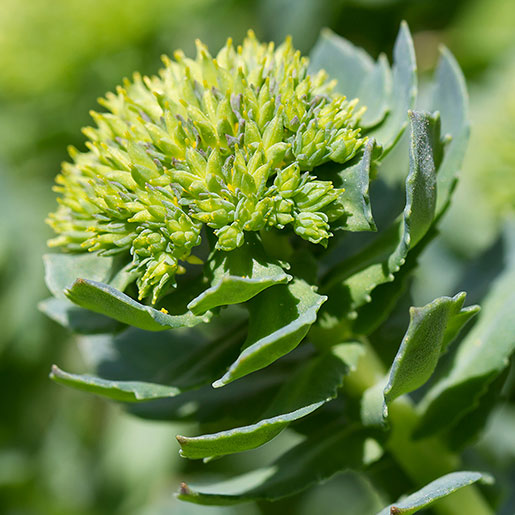
Rhodiola Rosea: Stress-Fighting Cognitive Enhancer

Rhodiola rosea is an adaptogenic herb that thrives in some of Earth's harshest environments – the arctic regions and high mountains of Europe and Asia. This resilience translates to its effects on human physiology, helping the brain and body adapt to stress while enhancing mental performance. Viking warriors reportedly used Rhodiola to enhance physical stamina and mental clarity before long expeditions, while Russian cosmonauts and athletes have utilized it to improve performance under extreme conditions.

How Rhodiola Boosts Brain Function

Rhodiola's cognitive benefits come from its ability to:

Rhodiola reduces mental fatigue, especially during stressful or demanding cognitive tasks, by optimizing energy metabolism in brain cells and regulating stress hormone production. It balances stress hormones like cortisol that can impair cognitive function, preventing the harmful effects of chronic stress on memory and attention. This herb improves attention, focus, and mental processing by enhancing oxygen utilization and glucose metabolism in the brain. It supports neurotransmitter balance, particularly dopamine and serotonin, which play crucial roles in motivation, focus, and emotional regulation. Additionally, it provides neuroprotection through antioxidant activity and by activating cellular stress response pathways that strengthen neural resilience.

Optimal Dosing and Timing

For cognitive enhancement, Rhodiola rosea is typically taken at doses of 200-400mg daily of an extract standardized to contain 3% rosavins and 1% salidroside. Unlike many herbal nootropics that require weeks to show benefits, Rhodiola often produces noticeable effects within 30 minutes to hours of the first dose. This rapid onset makes it particularly valuable for situations requiring immediate cognitive support.

For maximum benefit, take Rhodiola in the morning on an empty stomach. This timing aligns with your natural cortisol rhythm and helps prevent the potential stimulating effects from interfering with sleep. Many users find cycling Rhodiola (such as 5 days on, 2 days off) helps maintain its effectiveness. This cycling approach may prevent adaptive changes in the body that could otherwise diminish Rhodiola's effects over time, a common challenge with adaptogenic herbs that work by modulating stress response systems.

Key Insight: Rhodiola is particularly effective for enhancing cognition during periods of stress, sleep deprivation, or mental exhaustion. Its ability to improve performance under adverse conditions makes it valuable for students during exams or professionals facing demanding projects. Research shows Rhodiola can reduce errors on proofreading tasks by up to 88% under fatigue conditions compared to placebo.

4

L-Theanine: The Focused Calm Promoter

While technically an amino acid rather than an herb, L-theanine deserves mention because it's naturally occurring in tea leaves (Camellia sinensis) and offers remarkable cognitive benefits. This compound is largely responsible for the calm alertness that tea drinkers experience, distinct from the jittery stimulation often associated with coffee. First identified in green tea in 1949, L-theanine has become one of the most well-studied natural compounds for promoting a state of relaxed focus.

Cognitive Benefits of L-Theanine

L-theanine offers several powerful cognitive advantages:

L-theanine promotes alpha brain wave activity, associated with relaxed alertness and creative thinking, similar to states achieved during meditation. It enhances focus and attention without sedation by modulating excitatory neurotransmitters while preserving alertness. This compound reduces stress and anxiety that can impair cognitive function without causing drowsiness or reduced mental energy. It balances the stimulating effects of caffeine when taken together, creating a smoother, more sustained focus without the common caffeine crash. Studies show it also improves aspects of working memory and executive function, particularly under conditions of mild stress or distraction.

How to Use L-Theanine for Cognitive Enhancement

The typical dosage of L-theanine for focus and cognitive enhancement is 100-200mg, taken 30-60 minutes before tasks requiring sustained attention. L-theanine can be used daily without developing tolerance and has an excellent safety profile with minimal side effects. Its water-soluble nature means it can be taken with or without food, though some users report faster onset when taken on an empty stomach.

One of L-theanine's most popular applications is in combination with caffeine, typically in a 2:1 ratio (theanine to caffeine). This combination creates a balanced state of alert focus without the anxiety or jitters that caffeine alone might produce. This synergistic effect explains why many people find tea provides a different, more balanced energy than coffee. Research shows this combination can significantly improve both speed and accuracy on attention-switching tasks compared to either compound alone.

5

Saffron: The Mood-Boosting Cognitive Enhancer

Saffron, derived from the Crocus sativus flower, has been treasured for thousands of years as both a culinary spice and medicinal herb. Recent research has revealed its impressive cognitive benefits, particularly in relation to mood enhancement and neuroprotection. As one of the world's most expensive spices by weight, saffron's potent effects come from its concentrated bioactive compounds, which have demonstrated significant neurological benefits even at modest doses.

How Saffron Enhances Brain Function

Saffron contains several bioactive compounds including crocins, crocetin, and safranal that contribute to its cognitive benefits:

Saffron functions as a natural antidepressant by modulating serotonin activity, inhibiting reuptake similar to certain pharmaceutical antidepressants but with fewer side effects. It improves focus and concentration in both healthy adults and those with attention difficulties through its effects on dopamine and norepinephrine systems. This spice protects brain cells from oxidative stress and inflammation through powerful antioxidant mechanisms that shield neural structures. It enhances memory and learning capabilities by supporting healthy neuroplasticity and synaptic function. Research suggests it may also help preserve cognitive function during aging by reducing inflammatory processes and supporting mitochondrial health in neurons.

Optimal Saffron Usage for Cognitive Benefits

The typical effective dose for saffron's cognitive benefits is 30mg daily of a standardized extract. Because of saffron's high cost, it's important to select supplements from reputable sources that verify their products contain authentic saffron extract at therapeutic concentrations. Unfortunately, saffron is one of the most commonly adulterated supplements due to its high value, making source verification particularly important.

Saffron's mood-enhancing effects typically begin to appear within 1-2 weeks of daily use, with full benefits developing over 4-6 weeks. Its cognitive benefits make it particularly valuable for individuals experiencing both mood challenges and cognitive difficulties, as the improvements in emotional well-being often translate to enhanced mental performance. Research indicates that saffron may be especially beneficial for cognitive tasks requiring sustained attention and emotional regulation, areas often compromised during periods of low mood.

6

Ginkgo Biloba: The Ancient Memory Enhancer

Ginkgo biloba is one of the oldest living tree species on Earth, with individual trees living up to 1,000 years. This remarkable longevity parallels its effects on the human brain, where it's been shown to support cognitive function and potentially slow age-related decline. Used in traditional Chinese medicine for millennia, ginkgo has become one of the most extensively researched herbal remedies for cognitive enhancement in modern scientific literature.

Ginkgo's Cognitive Enhancement Mechanisms

Ginkgo works through several pathways to support brain function:

Ginkgo improves cerebral blood flow, delivering more oxygen and nutrients to brain cells by enhancing vasodilation and reducing blood viscosity. It contains potent antioxidants (flavonoids and terpenoids) that protect neurons from oxidative damage and neutralize harmful free radicals. This ancient herb modulates neurotransmitter systems, particularly serotonin and acetylcholine, which play crucial roles in mood regulation and memory formation. It supports mitochondrial function in brain cells, improving energy production and metabolic efficiency in high-energy-demanding neural tissues. Studies also suggest it may help maintain the integrity of the blood-brain barrier, protecting delicate neural structures from potentially harmful substances.

Effective Usage Guidelines

The standard dose for cognitive enhancement is 120-240mg daily of a standardized extract containing 24% flavone glycosides and 6% terpene lactones. This can be taken as a single dose or divided throughout the day. The standardization of these specific compounds is crucial, as they represent the primary active constituents responsible for ginkgo's cognitive benefits.

Ginkgo's effects develop gradually, with initial benefits often noticed within 4-6 weeks and optimal effects appearing after 6-12 weeks of consistent use. Unlike some cognitive enhancers that primarily benefit those with cognitive impairment, ginkgo appears to offer benefits for both healthy adults and those experiencing age-related cognitive changes. Some research suggests that ginkgo may be particularly effective for enhancing cognitive domains related to attention, processing speed, and executive function.

Safety Note: Ginkgo has mild blood-thinning properties and should be used cautiously by those taking anticoagulant medications or with bleeding disorders. It's always wise to consult with a healthcare provider before starting ginkgo, especially if you're on other medications. This blood-thinning effect comes from ginkgo's ability to inhibit platelet activating factor (PAF), which while beneficial for circulation, requires consideration in certain medical contexts.

7

Alpha-GPC: The Choline Powerhouse

While technically not an herb but a natural choline compound, Alpha-GPC (Alpha-glycerophosphocholine) deserves mention as one of the most effective natural cognitive enhancers. It occurs naturally in small amounts in certain foods but is typically supplemented in concentrated form for cognitive benefits. Alpha-GPC represents one of the most efficient ways to deliver choline to the brain, where it serves as a precursor for the crucial neurotransmitter acetylcholine.

Cognitive Benefits of Alpha-GPC

Alpha-GPC offers several powerful benefits for brain function:

Alpha-GPC serves as a highly bioavailable choline source for acetylcholine production (a key neurotransmitter for learning and memory), reaching the brain more efficiently than many other choline sources. It crosses the blood-brain barrier efficiently, delivering choline directly to the brain where it can be immediately utilized for neurotransmitter synthesis. This compound supports membrane fluidity and repair in neurons by providing essential phospholipid building blocks for cell membranes. It enhances attention, focus, and working memory through optimization of cholinergic neurotransmission. Research shows it may also support physical performance and growth hormone production, creating dual benefits for both cognitive and physical enhancement.

Optimal Usage for Cognitive Enhancement

For cognitive enhancement, Alpha-GPC is typically dosed at 300-600mg daily, either as a single dose or divided into two doses. Many users find taking Alpha-GPC earlier in the day provides the best results without interfering with sleep. The compound's relatively short half-life means that twice-daily dosing may provide more consistent benefits for those using it to support all-day cognitive performance.

Alpha-GPC's effects can be noticed relatively quickly, often within hours of the first dose, though the full benefits develop with consistent use over several weeks. It works particularly well when combined with other cholinergic compounds or racetams for those seeking more pronounced cognitive enhancement. This synergistic relationship occurs because many cognitive enhancers increase acetylcholine utilization, potentially creating a demand that Alpha-GPC can efficiently meet.

Expert Tip: Alpha-GPC provides dual benefits for both cognitive and physical performance, making it particularly valuable for athletes seeking mental focus alongside physical enhancement. The typical effective dose range of 300-600mg daily works for both applications. Research indicates that pre-workout supplementation with Alpha-GPC may enhance power output while simultaneously supporting the mental focus needed for optimal training performance.

8

Ashwagandha: Stress-Reducing Cognitive Protector

Ashwagandha (Withania somnifera) has been a cornerstone of Ayurvedic medicine for over 3,000 years. This powerful adaptogen helps the body resist various stressors while simultaneously supporting cognitive function. The plant's Sanskrit name translates to "smell of horse," referring both to its distinct odor and the traditional belief that consuming it would impart the strength and vitality of a stallion—a metaphor for its remarkable energizing and restorative properties.

How Ashwagandha Enhances Cognition

Ashwagandha's cognitive benefits stem from several mechanisms:

Ashwagandha reduces cortisol levels and stress response, which can otherwise impair cognitive function by damaging hippocampal neurons and disrupting neurogenesis. It contains withanolides that provide neuroprotection and support dendrite formation, enhancing neural communication and synaptic plasticity. This herb modulates GABA receptors, producing a calming effect without sedation that helps maintain optimal cognitive arousal states. It supports healthy inflammation response in the brain, preventing neuroinflammatory processes that can impair memory and learning. Research suggests it may enhance telomerase activity, potentially slowing cellular aging processes and supporting long-term brain health.

Effective Usage for Cognitive Benefits

For cognitive enhancement, ashwagandha is typically taken at doses of 300-600mg daily of a root extract standardized to contain at least 5% withanolides. Many premium extracts use the KSM-66 or Sensoril standardized forms, which have substantial clinical research supporting their efficacy. These standardized extracts ensure consistent potency and predictable effects, which is particularly important for cognitive applications.

Ashwagandha's effects develop gradually, with initial benefits often noticed within 2 weeks and optimal effects appearing after 8-12 weeks of consistent use. Many users report improved stress resilience, better focus during demanding tasks, and enhanced sleep quality, all of which contribute to better cognitive function. Unlike stimulant-based cognitive enhancers, ashwagandha tends to improve mental performance without creating dependency or tolerance issues, making it suitable for long-term use.

Usage Insight: Ashwagandha is particularly beneficial for those whose cognitive performance suffers under stress. By mitigating the body's stress response, it helps maintain optimal brain function even during challenging circumstances. Research shows that ashwagandha can reduce perceived stress by up to 44% while simultaneously improving concentration and mental stamina, making it especially valuable during high-pressure periods.

9

Creatine: The Overlooked Brain Energizer

While typically associated with athletic performance, creatine is increasingly recognized as a powerful cognitive enhancer. This naturally occurring compound is found in small amounts in certain foods and is produced in limited quantities by the body. The brain is a highly energy-demanding organ, consuming approximately 20% of the body's energy despite representing only 2% of its weight, and creatine plays a crucial role in rapid energy production and utilization within brain cells.

Creatine's Cognitive Enhancement Mechanisms

Creatine supports brain function through several pathways:

Creatine enhances cellular energy production by increasing phosphocreatine stores, which serve as a rapid energy reserve during cognitively demanding tasks. It supports ATP recycling, particularly important during mentally demanding tasks that require sustained attention and processing. This compound provides neuroprotection against oxidative stress and excitotoxicity, potentially shielding neurons from damage during periods of high activity. Research shows it may improve working memory and intelligence test performance, especially in vegetarians who typically have lower baseline creatine levels. It supports overall brain metabolism and energy homeostasis, creating more consistent cognitive performance throughout the day.

Optimal Usage for Brain Benefits

For cognitive enhancement, creatine monohydrate is typically supplemented at 3-5g daily. Unlike many nootropics, creatine works through a loading mechanism, with brain creatine levels increasing over approximately 28 days of consistent supplementation. Some protocols suggest a loading phase of 20g daily for 5-7 days to saturate tissues more quickly, followed by a maintenance dose of 3-5g daily, though simpler daily dosing is sufficient for most cognitive applications.

Creatine is highly water-soluble and can be taken any time of day. Some users prefer taking it post-workout to support both physical and cognitive recovery. Ensuring adequate hydration while supplementing creatine is important for optimal results and minimizing potential side effects. Research suggests that creatine supplementation may be particularly beneficial for vegetarians and vegans, whose dietary intake of creatine is naturally lower, and for older adults, who often experience declining creatine synthesis.

10

Cocoa Flavanols: Delicious Brain Boosters

Cocoa flavanols, found in dark chocolate and specialized cocoa extracts, represent one of the most enjoyable ways to enhance cognitive function. These powerful plant compounds have been associated with numerous brain benefits in both acute and long-term studies. Ancient Mesoamerican civilizations, including the Maya and Aztec, valued cocoa not just as a delicacy but as a medicine, using it to enhance mental alertness and vigor—an intuitive understanding now validated by modern science.

Cognitive Benefits of Cocoa Flavanols

Cocoa flavanols enhance brain function through several mechanisms:

Cocoa flavanols improve cerebral blood flow, delivering more oxygen and nutrients to brain cells by enhancing nitric oxide production and vasodilation. They enhance endothelial function, supporting the health of blood vessels in the brain and throughout the body. These compounds provide powerful antioxidant protection against neuroinflammation and oxidative damage to delicate neural structures. They support healthy insulin sensitivity, which affects brain energy metabolism and glucose utilization. Research suggests they may enhance neuroplasticity and long-term cognitive health through epigenetic mechanisms and support for neural growth factors.

Effective Usage for Cognitive Enhancement

For cognitive benefits, aim for 500-1000mg of cocoa flavanols daily. This can be achieved through specialized high-flavanol cocoa extracts or approximately 30-60g of high-percentage dark chocolate (85% or higher cocoa content). It's important to note that milk chocolate and many commercial chocolate products contain minimal flavanols due to processing methods that destroy these compounds, making high-quality dark chocolate or specialized extracts necessary for cognitive benefits.

Cocoa flavanols provide both acute and cumulative benefits. Some studies show improved cognitive performance within hours of consumption, while long-term daily intake appears to support sustained cognitive health and function, particularly in older adults. Research indicates that the cognitive benefits of cocoa flavanols may be more pronounced in individuals with existing cognitive challenges or risk factors, though healthy adults also show measurable improvements in specific cognitive domains like working memory and processing speed.

11

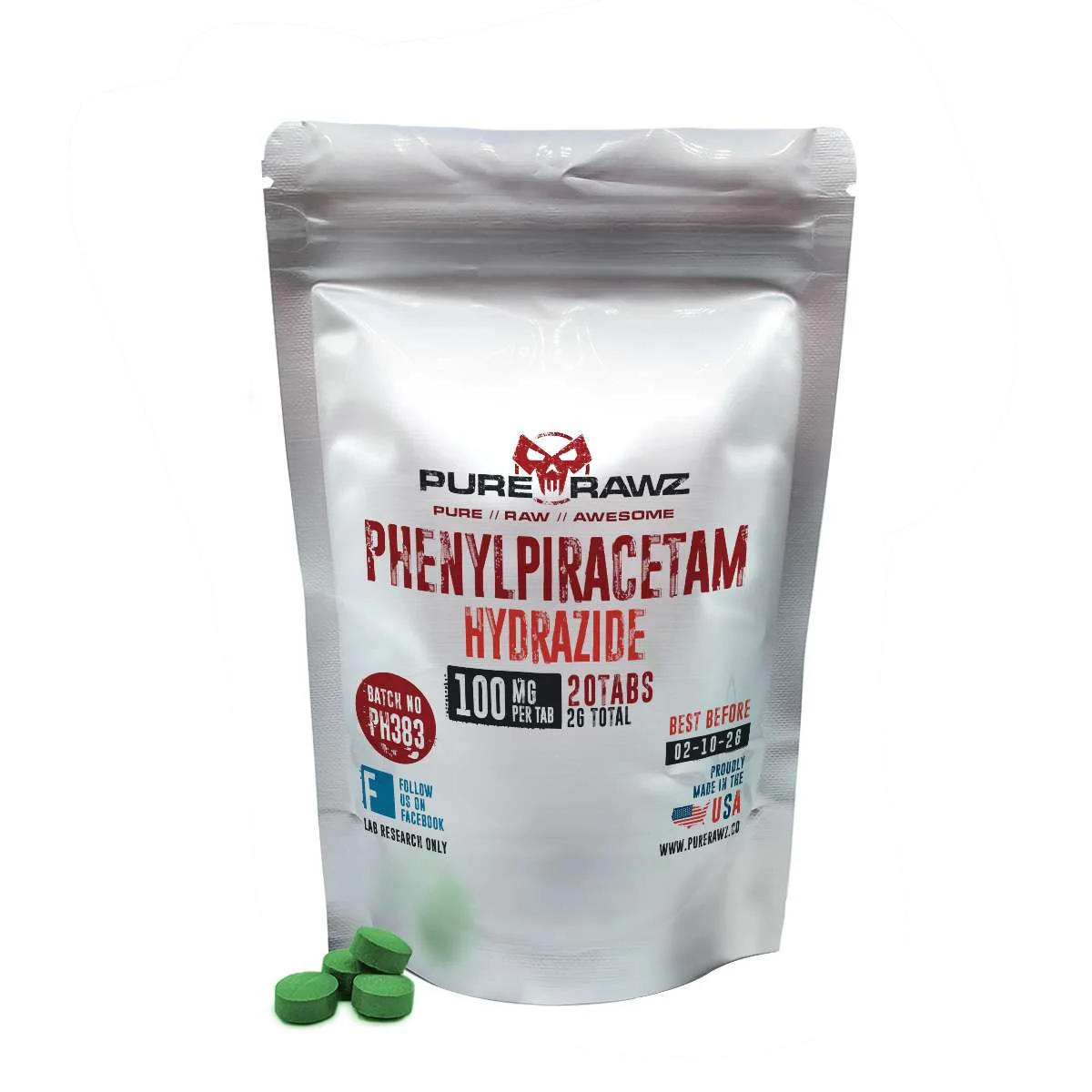
Phenylpiracetam Hydrazide: Advanced Cognitive Enhancer

For those seeking more potent cognitive enhancement, Phenylpiracetam Hydrazide represents one of the more advanced options available. This modified version of the well-studied nootropic phenylpiracetam offers enhanced bioavailability and potency. Developed initially for Russian cosmonauts to enhance cognitive performance under the extreme stresses of space travel, this compound has gained popularity among those seeking significant cognitive enhancement for demanding mental tasks.

12

Turmeric/Curcumin: Anti-inflammatory Brain Support

Turmeric, with its active compound curcumin, rounds out our list as a powerful anti-inflammatory cognitive supporter. This bright yellow spice has been used in Ayurvedic medicine for thousands of years and has recently gained scientific recognition for its impressive brain benefits. Its traditional use in India may partly explain why this region has historically shown lower rates of cognitive decline compared to Western countries.

How Curcumin Supports Brain Health

Curcumin's cognitive benefits come from its powerful anti-inflammatory and antioxidant properties:

  • Helps reduce neuroinflammation, a key factor in cognitive decline
  • Supports brain-derived neurotrophic factor (BDNF) levels, which promotes neuronal growth and strengthens synaptic connections
  • Crosses the blood-brain barrier, allowing direct neuroprotective effects
  • May help clear amyloid plaques associated with cognitive decline
  • Supports healthy mood regulation through multiple pathways

Optimal Usage Guidelines

For cognitive benefits, take 500-1000mg of curcumin extract daily, preferably with black pepper (piperine) or in a phospholipid complex for enhanced absorption. Standard turmeric powder contains only about 3% curcumin by weight, so concentrated extracts are necessary for therapeutic effects.

Curcumin's effects are cumulative, with benefits becoming more pronounced after 8-12 weeks of consistent use. Its anti-inflammatory properties make it particularly valuable for long-term brain health maintenance and as part of a comprehensive cognitive enhancement strategy.

Building Your Optimal Cognitive Enhancement Stack

The herbal cognition boosters outlined in this guide represent some of the most well-researched and effective natural compounds for enhancing mental performance. Each offers unique benefits that can target specific aspects of cognitive function, from memory and focus to stress resilience and neuroprotection.

Key Recommendations for Getting Started

  • Start simple: Begin with one or two well-researched compounds like Bacopa or L-theanine before building a more complex stack
  • Be patient: Many herbal nootropics require consistent use for several weeks before showing full effects
  • Track your results: Keep a journal of cognitive performance, mood, and any side effects to identify what works best for you
  • Quality matters: Invest in standardized extracts from reputable manufacturers to ensure potency and purity
  • Consider synergies: Some herbs work better together (like L-theanine with caffeine or Lion's Mane with Alpha-GPC)
  • Consult healthcare professionals: Especially if you have existing health conditions or take medications

Sample Stacks for Different Goals

Memory & Learning Stack

  • • Bacopa Monnieri (300-600mg)
  • • Lion's Mane (500-1000mg)
  • • Alpha-GPC (300mg)

Stress Resilience Stack

  • • Rhodiola Rosea (200-400mg)
  • • Ashwagandha (300-600mg)
  • • L-theanine (200mg)

Focus & Productivity Stack

  • • L-theanine (200mg)
  • • Caffeine (100mg)
  • • Rhodiola Rosea (200mg)

Long-Term Brain Health Stack

  • • Lion's Mane (1000mg)
  • • Curcumin (500-1000mg)
  • • Cocoa Flavanols (500mg)
  • • Ginkgo Biloba (120mg)

Ready to Enhance Your Cognitive Performance?

Explore our comprehensive guides and resources on herbal nootropics

Important Disclaimer

This guide is for educational purposes only and should not replace professional medical advice. Always consult with a qualified healthcare provider before starting any new supplement regimen, especially if you have existing health conditions, are pregnant or nursing, or take prescription medications. Individual responses to supplements vary, and what works well for one person may not be suitable for another.